Draft — pending fishing-accuracy review. Not listed on the site and not indexed by search engines.
Fishing Spots
Best LRF Fishing Spots in Cyprus
Fishing.com.cy Editorial · 4 min read · Published · Updated
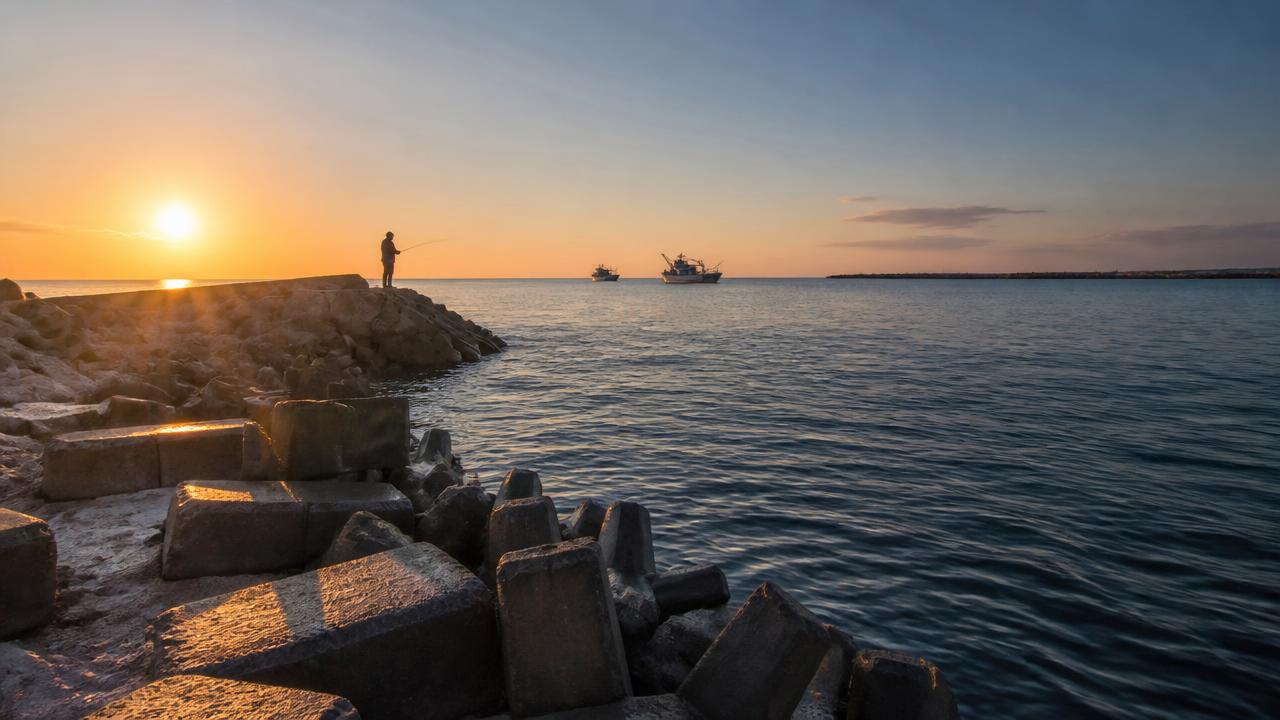
Rather than chasing a list of secret pins on a map, the fastest way to find good LRF fishing in Cyprus is to learn the types of ground that consistently hold fish. Across the island's harbours, marinas, breakwaters and rocky coastline, the same handful of ground types repeat themselves, and once you can recognise them anywhere you go, you will rarely blank. This guide breaks down each ground type, what tends to live there, and how to approach it, without naming specific fragile or hazardous micro-marks.
Harbour walls
Harbour walls are the classic Cyprus LRF venue, found in every fishing town and village from Paphos round to Famagusta. They typically offer a mix of depths right off the wall, shaded corners, boat moorings and scattered debris on the bottom that all hold small species.
Fish tight to the wall itself, working jigheads down the face and along the bottom where fish shelter, and pay attention to any corner where the wall changes direction — these current breaks are magnets for feeding fish. Early morning and evening sessions on harbour walls are consistently productive, and many town harbours also fish well after dark under available light.
Marina pontoons and surrounds
Marinas add man-made structure — pontoon legs, mooring lines, fendered walls — to naturally sheltered water, and this combination is superb LRF ground. Shade from boats and pontoons holds small fish through the brightest part of the day, and the calmer water lets you use very light jigheads and see takes on the line.
Public-access marina edges are the priority here; always respect private mooring areas and boat owners' space, and be considerate about casting near moored vessels or other water users.
Concrete breakwaters
Larger breakwaters that shelter harbours or beaches offer deeper water close in, current movement, and rough concrete or rock structure that holds a wider range of species than a simple wall. These marks can produce bigger surprises — small groupers, comber and occasional pelagic visitors — because the water is often deeper and better connected to open sea.
Breakwaters are also where safety needs the most attention: many are exposed to swell, have uneven footing, and can have slippery, algae-covered sections. Always check conditions before venturing onto an exposed breakwater, wear appropriate footwear, and avoid the outer sections in any swell.
Shallow reef and rock platforms
Along much of the Cyprus coast, especially around Paphos and the Akamas area, shallow limestone reef extends from the shoreline in a network of gullies, ledges and rock pools. This ground is excellent for sight-fishing LRF in clear water — you can often watch wrasse and damsel species react to a lure in real time.
Fish these areas on calmer days when visibility is good, working lures along gully edges and drop-offs rather than the open, featureless sand patches between rock. As with breakwaters, footing can be uneven and slippery, so choose grippy footwear and take care near any wave-exposed edges.
Mixed rock and sand transitions
Where rocky ground gives way to sandy seabed — common along many stretches of open coast — predators patrol the transition zone looking for prey pushed out of the rock structure. These areas reward mobile fishing: work along the interface rather than committing to one static spot, casting parallel to the structure edge.
This ground type is often overlooked in favour of more obvious harbour marks, but it can be some of the most productive and least pressured LRF fishing available, particularly outside the main towns.
How to choose a mark on the day
Wind direction and sea state should drive your choice of ground type as much as target species. Sheltered harbours and marinas fish well in almost any wind, while exposed breakwaters and reef platforms need calm to light conditions to be both fishable and safe.
If you are new to an area, start at a town harbour wall to get a feel for local species and conditions before venturing onto more exposed breakwater or reef marks, and always verify access and any local restrictions before fishing a new spot.
Frequently asked questions
- What ground type is best for beginner LRF anglers in Cyprus?
- Harbour walls and marina edges are the easiest starting point — sheltered, accessible, and holding a good variety of small species — before progressing to more exposed breakwaters or shallow reef as confidence and conditions allow.
- Are Cyprus breakwaters safe for LRF fishing?
- Many are, in calm conditions, but breakwaters can be exposed to swell with slippery, uneven footing. Check sea state before venturing onto the outer sections, wear grippy footwear, and avoid them altogether in any swell.
- Can you LRF fish from sandy beaches in Cyprus?
- Open sandy beaches with no structure are generally poor LRF ground; look instead for the transition points where rock or reef meets sand, since these edges concentrate the small prey species LRF lures imitate.
- Do marinas allow public fishing in Cyprus?
- Access varies by marina, and private mooring areas should always be respected. Fish only from clearly public sections, be considerate of boat owners and other water users, and check locally if unsure.
Recommended gear for this guide
Live picks from the Hobby Mania Cyprus catalogue that suit the setups described above.
Share this guide