Draft — pending fishing-accuracy review. Not listed on the site and not indexed by search engines.
Getting Started
LRF Fishing in Cyprus: The Complete Light Rock Fishing Guide
Fishing.com.cy Editorial · 8 min read · Published · Updated
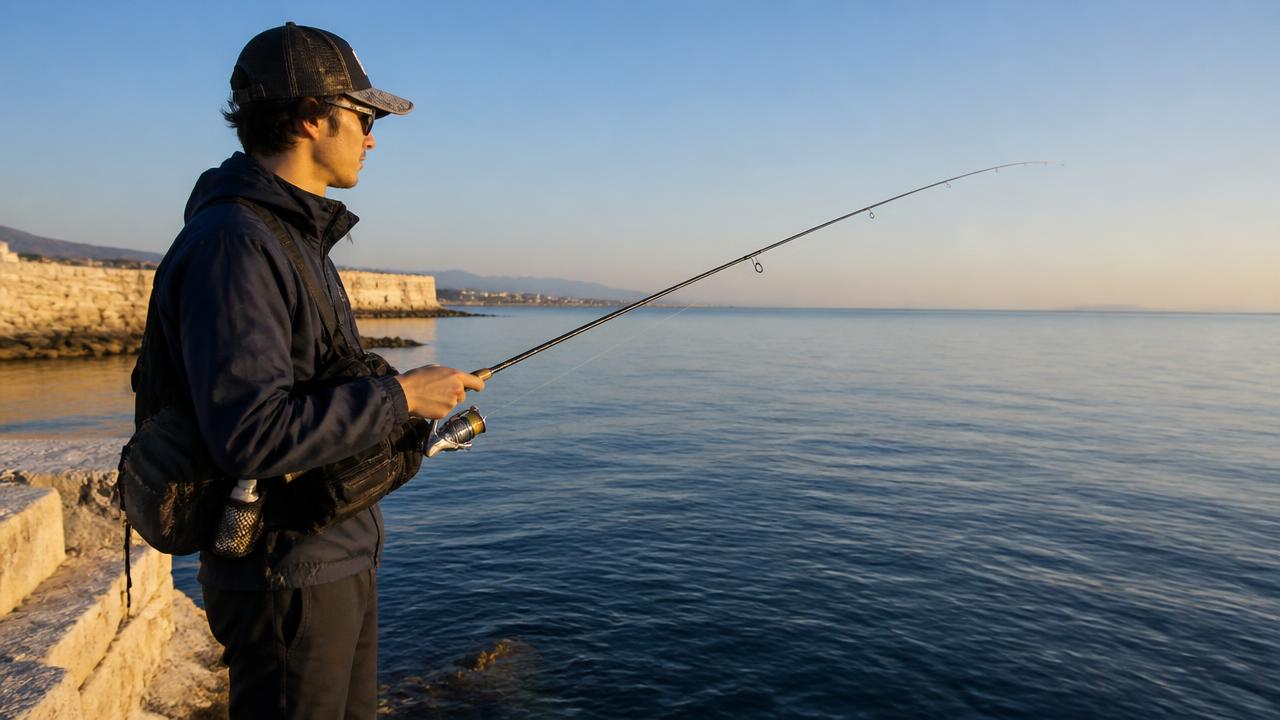
LRF fishing in Cyprus has grown from a niche pastime into one of the most accessible and rewarding ways to fish the island's coastline. Light Rock Fishing, or LRF, uses scaled-down rods, tiny lures and light lines to target small but scrappy species that live around harbour walls, breakwaters, marinas and shallow reef right along the Cyprus shoreline. You do not need a boat, a permit, or heavy gear — just a short walk to a wall or a rocky point and a rod bag that fits in a rucksack. This guide pulls together everything a newcomer or improving angler needs: what LRF actually is, the gear that works here, the species you will meet, where to fish through the seasons, and how to read the ground so you catch more than you blank. Throughout, we link out to deeper guides on specific areas and techniques, so treat this as the map and the other articles as the detail.
What is LRF fishing?
LRF stands for Light Rock Fishing, a style of ultralight lure fishing developed in Japan and the UK that has spread wherever there is rocky or man-made structure close to the shore. The idea is simple: use very light rods (often rated to cast just a few grams), thin braid, fine fluorocarbon leader and tiny jigheads or micro lures to imitate the small prey — shrimp, gobies, blennies, juvenile fish — that larger and smaller predators alike feed on.
In Cyprus this translates brilliantly to the harbour walls, marina pontoons, breakwaters and shallow rocky ground that ring almost the entire coastline. The water is clear, the structure is varied, and there is a genuinely wide range of species willing to take a small soft plastic or micro jig, from ornate wrasse and damselfish to small groupers, painted comber, gobies and, at the right marks, seabass and small pelagics.
The appeal is partly the challenge — light gear means every fish fights hard for its size — and partly the accessibility. You can LRF fish for twenty minutes after work from a town harbour wall, or spend a full session working a stretch of mixed rock. It rewards observation and finesse more than raw casting distance or heavy tackle.
LRF gear for Cyprus conditions
Cyprus LRF gear does not need to be exotic, but it should be matched to the light lures and small hooks involved. A typical setup is a 6'6" to 7'6" rod rated for casting weights of roughly 0.5–7g up to around 2–10g for slightly bigger jigheads or when there is wind to punch into. Rods with a soft, sensitive tip help you feel the subtle taps of small species and load properly on featherweight lures.
Reels are small fixed-spool sizes, generally in the 1000 to 2500 class, loaded with fine PE braid — commonly PE 0.2 to PE 0.6 — for casting distance and bite sensitivity with minimal stretch. A fluorocarbon leader of roughly 4–8lb is tied on to resist abrasion against rock and barnacles and to stay less visible in clear water.
Terminal tackle is where LRF gets interesting: light jigheads from under a gram up to a few grams, micro soft plastics in the 2–5cm range, small hard lures, and occasionally tiny metal jigs for scad or small pelagics that show up over deeper harbour water. None of this needs to be expensive, but matching jighead weight to depth, wind and current is the single biggest factor in success — a topic covered in full in our dedicated lures and rods guides.
Where to LRF fish in Cyprus
The best LRF ground in Cyprus falls into a handful of repeatable types rather than a short list of secret spots: harbour walls with mixed depth and boat traffic, marina pontoons with structure and shade, concrete breakwaters facing open water, shallow reef platforms, and mixed rock-and-sand transitions where predators patrol the edges.
Every major town has usable marks. Limassol's old port area and marina surrounds, Larnaca's harbour and marina frontage, Paphos harbour and the reef ground around Coral Bay and the Akamas peninsula, and the Famagusta-facing coastline around Protaras, Ayia Napa and Cyclops Cave all offer genuine LRF water within easy reach. We cover each of these areas in detail in their own guides, and a broader breakdown of ground types is in our best LRF spots article.
As a rule, look for structure changes rather than open, featureless stretches: the corner of a wall, a drop-off from shallow to deeper water, a patch of scattered rock among sand, or shaded water under a pontoon. These are the places small species congregate and where LRF really pays off.
Species you'll catch LRF fishing in Cyprus
Cyprus's LRF species list is varied and changes with season and location. Around rock and harbour structure you can expect wrasse of several kinds, damselfish, blennies and gobies, small groupers and comber species, occasional small scorpionfish (handle these with care), and juvenile bream. Over sandy patches near structure, small flatfish and gobies are common.
In harbours and marinas, especially at dusk and after dark, small seabass and mullet are realistic targets on tiny soft plastics worked slowly. Around deeper harbour walls or breakwaters, small pelagics such as juvenile leerfish or scad sometimes show in season, though these encounters are opportunistic rather than guaranteed.
None of these are trophy fish in the way a shore-jigged amberjack might be, and that is rather the point of LRF — it is about numbers, variety and technique rather than size.
Best seasons and times to LRF fish
LRF fishing in Cyprus is realistically a year-round pursuit because the water rarely gets cold enough to shut fish down completely, but activity levels do shift with the seasons. Spring and autumn tend to bring the widest variety and most consistent action as water temperatures sit in a comfortable middle range and smaller baitfish and shrimp are abundant.
Summer fishing is still productive but often better focused on early morning, evening and after dark, both because midday heat is uncomfortable on exposed rock and walls, and because many species feed more actively once the sun is low. Winter LRF can be excellent in sheltered harbours and marinas where water temperature stays more stable, though wind and swell more often rule out exposed breakwater marks.
Across all seasons, a falling or rising tide edge, light current movement, and calm-to-light wind conditions generally outfish dead-flat, overly bright midday sessions in open, shallow water.
Technique: retrieves, rigging and reading the ground
Reading the ground matters as much as lure choice. Walk a mark before fishing it, note where rock gives way to sand, where there is shade or structure, and where current pushes bait past a corner. LRF rewards covering water methodically with a light lure rather than blind-casting the same spot repeatedly.
Rigging light jigheads and soft plastics
Match jighead weight to depth and wind: use the lightest jighead that still lets you feel bottom and maintain contact, since an overweighted rig sinks too fast and loses the natural fall that triggers bites. In calmer, shallower harbour water, jigheads well under a gram are often ideal; in wind or over deeper water, stepping up to a few grams keeps you in contact without sacrificing all finesse.
Retrieves that work
A slow, twitching retrieve with pauses to let the lure sink usually outperforms a fast, steady wind-in, because it imitates injured or feeding prey rather than a fleeing baitfish. Watch your line for a twitch or subtle stop-and-go rather than expecting a hard pull — many LRF bites are extremely gentle.
Safety on Cyprus rock marks
Many productive LRF marks are on limestone rock, breakwaters or harbour edges that can be slippery when wet or covered in algae. Always wear grippy, closed footwear, never fish alone on exposed rock marks if you can help it, and keep a clear escape route in mind, especially on marks exposed to swell.
Watch the sea for several minutes before committing to a low rock platform — wave sets can be irregular, and a mark that looks calm can have an occasional larger wave sweep across it. If in doubt, fish from higher, safer structure such as a harbour wall rather than low rock during any swell.
Rules, licences and responsible LRF fishing
Cyprus shore fishing rules, including any licensing requirements, protected species and closed areas, can change, so always check current requirements with the Department of Fisheries and Marine Research (DFMR) before you fish, particularly if you are new to the island or unsure of a specific area's status.
Handle small species carefully with wet hands, use barbless or debarbed hooks where practical for easier release, and avoid retaining juvenile fish. Because LRF targets small, often young specimens of larger species, careful catch and release helps keep marks productive for the long term.
Building your LRF game across Cyprus
Once the basics click, the fastest way to improve is to fish a variety of ground types and keep notes on what worked where and when. The supporting guides in this series break the island down area by area — Limassol, Larnaca, Famagusta and Paphos — plus deep dives on lures, rods and reels, beginner technique, night fishing and targeting seabass specifically.
Treat this pillar guide as your starting point and dip into the linked articles below as you refine your setup and start exploring new marks.
Frequently asked questions
- Is LRF fishing good in Cyprus?
- Yes. Cyprus has extensive harbour, marina, breakwater and rocky reef ground within easy reach almost everywhere on the coast, clear water, and a good variety of small species willing to take LRF lures, making it a genuinely productive style here year-round.
- What size rod and reel do I need for LRF in Cyprus?
- A rod around 6'6"–7'6" casting roughly 0.5–10g paired with a 1000–2500 size reel loaded with fine PE braid (around PE 0.2–0.6) and a light fluorocarbon leader covers the vast majority of Cyprus LRF situations.
- What is the best time of year for LRF fishing in Cyprus?
- Spring and autumn tend to offer the most consistent variety as water temperatures sit in a comfortable range, though LRF fishing works year-round, with summer favouring early morning, evening and night sessions, and winter favouring sheltered harbours and marinas.
- Do I need a licence to LRF fish in Cyprus?
- Shore fishing rules can change, so always confirm current licensing and any area restrictions with the Department of Fisheries and Marine Research (DFMR) before fishing, especially if you are unfamiliar with a particular stretch of coast.
- What is the biggest fish you can catch LRF fishing in Cyprus?
- Most LRF catches are small species such as wrasse, blennies, gobies and juvenile bream, though small seabass, comber and occasional small pelagics are realistic bonus catches, particularly around harbours and marinas at dawn, dusk or after dark.
Recommended gear for this guide
Live picks from the Hobby Mania Cyprus catalogue that suit the setups described above.
Share this guide
Keep going
- Best LRF Fishing Spots in Cyprus
- LRF Fishing in Limassol
- LRF Fishing in Larnaca
- LRF Fishing in Famagusta
- LRF Fishing in Paphos
- Best LRF Lures in Cyprus
- Best LRF Rods and Reels in Cyprus
- LRF for Beginners in Cyprus
- LRF at Night in Cyprus
- LRF Soft Plastics Guide
- LRF for Seabass in Cyprus
- Fishing Styles: LRF
- Shop LRF Gear