Draft — pending fishing-accuracy review. Not listed on the site and not indexed by search engines.
Techniques
LRF Seabass Fishing in Cyprus
Fishing.com.cy Editorial · 4 min read · Published · Updated
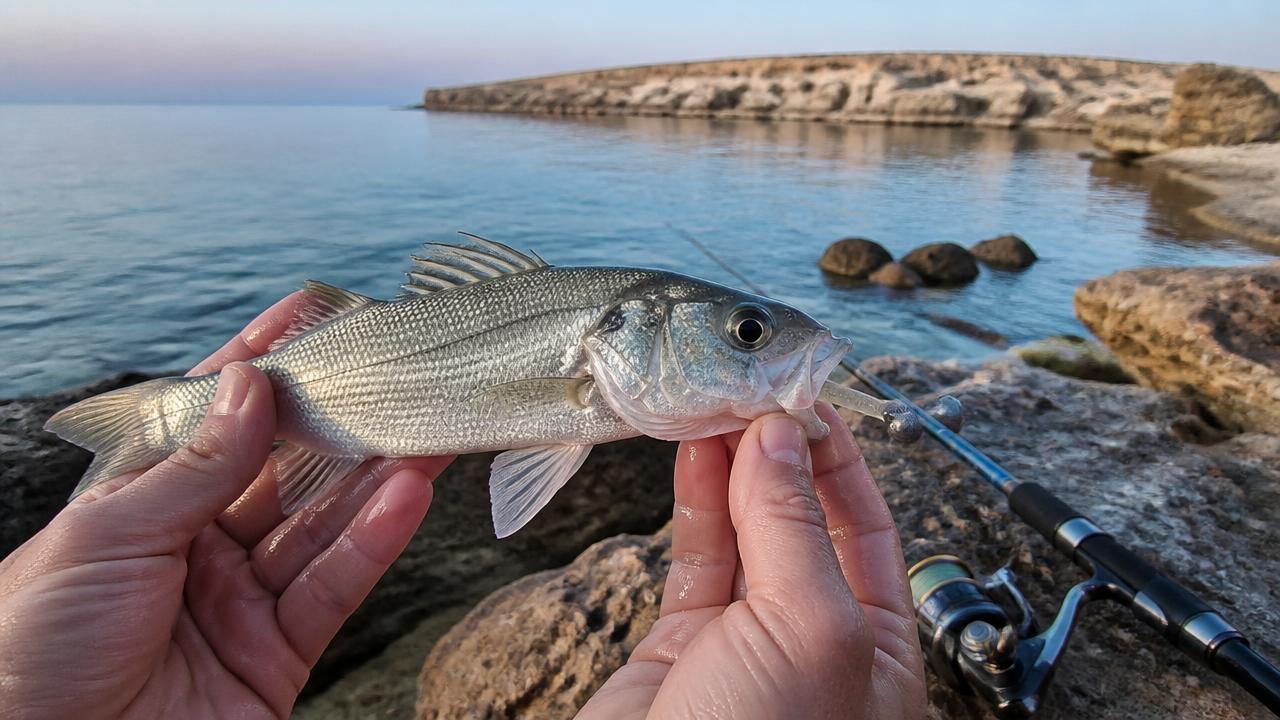
Seabass are one of the most rewarding species to target on light LRF gear in Cyprus, giving a genuine fight relative to their size on tackle built for far smaller fish. They turn up around harbour walls, breakwaters and marina areas throughout much of the year, but success comes from reading conditions, timing and structure rather than simply casting anywhere and hoping. This guide covers where to find them, the conditions worth watching for, lure choice, leader strength and timing, building on our complete guide to LRF fishing in Cyprus.
Why seabass suit an LRF approach
Seabass in Cyprus are often encountered at a size where light LRF gear is genuinely appropriate rather than simply a fun challenge — smaller specimens feed confidently on the same small fry, shrimp and worms that LRF lures already imitate. Fishing for them on fine tackle also gives a much better sense of their fight than heavier gear would.
Because they can appear unpredictably among typical LRF catches, most anglers targeting them specifically simply fish LRF marks and methods with seabass-friendly adjustments to lure size, leader strength and location, rather than switching to a completely different approach.
Where to find seabass around Cyprus marks
Seabass favour areas with structure and some water movement: harbour mouths, marina entrances, breakwater ends, and anywhere current or wave action concentrates fry and small baitfish. Areas around Limassol, Larnaca and Paphos marinas, as well as harbour mouths near Famagusta, all hold seabass at times, particularly where there is a mix of deeper water close to structure.
Harbour lights at night are a particularly reliable draw, since seabass readily feed on fry gathered by the light, often visibly patrolling the light-shadow edge described in our guide to night LRF fishing.
Conditions that trigger feeding
A light chop or some water movement, rather than dead flat calm, often improves seabass activity by disorienting bait and giving the fish a feeding advantage. Overcast light or the low light of dawn and dusk also tends to draw more confident feeding than bright midday sun, when seabass often sit deeper or tighter to shadowed structure.
After a period of wind or a small swell has stirred up bait activity around harbour mouths, seabass often move in to take advantage, making the day or two following a blow worth a look once conditions have settled enough to fish safely.
Lure choice for seabass on LRF gear
Slightly larger and more active lures than typical LRF fare tend to draw seabass attention: paddletails in the 5 to 7 cm range worked with a steady retrieve, small hard lures such as shallow-diving minnows, and soft plastic jerkbaits twitched just under the surface all work well.
Natural baitfish colours suit daytime fishing in clear water, while darker silhouettes or pale, glow-style options come into their own for evening and night sessions around lit water. Jighead weight should be enough to cast comfortably and maintain some depth control without sinking so fast that the retrieve feels unnatural — typically 2 to 5 g for seabass-sized paddletails on LRF gear.
- Paddletails (5–7 cm) on 2–5 g jigheads: steady retrieve for active fish
- Shallow minnows: twitch-pause retrieve near the surface
- Soft jerkbaits: subtle twitches just under the surface, especially at dusk
Leader strength and tackle adjustments
Since seabass can pull noticeably harder than the small resident species that make up most LRF catches, stepping up leader strength slightly — to around 8 to 12 lb fluorocarbon rather than the finest LRF leaders — reduces break-offs without being heavy enough to seriously affect presentation or bite rates.
A reel with a smooth, reliable drag matters more here than for smaller species, since a good seabass will test it properly on light gear. Checking the leader for nicks after any contact with structure, mussels or barnacles is particularly important when targeting seabass around harbour walls, since these fish often run for cover the moment they feel the hook.
Timing a session around seabass
Dawn, dusk and after-dark sessions around lit harbour areas are generally the most productive times to specifically target seabass on LRF gear, since these periods combine lower light with active fry movement. Daytime sessions can still produce, particularly on overcast days or where there is some water movement, but tend to be less consistent than low-light windows.
Seasonally, seabass activity in Cyprus shifts with water temperature and baitfish movements, so building a picture over multiple visits to the same mark — noting which conditions and times produced fish — is more useful than relying on a fixed calendar.
Handling and best practice
Seabass caught on fine LRF hooks should be handled carefully and unhooked promptly with forceps to minimise time out of water, especially if released. Wet hands before handling any fish to protect its slime coat, and support its body weight rather than holding it by the jaw alone if unhooking takes a moment longer than expected. As with all Cyprus shore fishing, anglers should check current DFMR rules on any size or seasonal restrictions that may apply before deciding whether to keep a fish.
Frequently asked questions
- Can you really target seabass with LRF gear in Cyprus?
- Yes, particularly for smaller to mid-sized seabass, which feed on the same fry, shrimp and worms that typical LRF lures already imitate. It is worth stepping up leader strength slightly and using slightly larger lures than standard LRF fare when seabass are the main target.
- Where are the best marks for LRF seabass in Cyprus?
- Harbour mouths, marina entrances and breakwater ends with some water movement tend to hold seabass most reliably, particularly around Limassol, Larnaca, Paphos and Famagusta. Lit harbour areas at night are especially productive.
- What leader strength should I use for seabass on LRF tackle?
- Around 8 to 12 lb fluorocarbon is a sensible step up from the lightest LRF leaders, reducing the risk of a break-off without significantly affecting presentation or bite rates.
- What is the best time of day to target seabass with LRF gear?
- Dawn, dusk and after-dark sessions around lit harbour water are generally the most consistent, since seabass feed more confidently in lower light and are often drawn to fry gathered around harbour lighting.
Recommended gear for this guide
Live picks from the Hobby Mania Cyprus catalogue that suit the setups described above.
Share this guide