Draft — pending fishing-accuracy review. Not listed on the site and not indexed by search engines.
Techniques
LRF at Night in Cyprus
Fishing.com.cy Editorial · 5 min read · Published · Updated
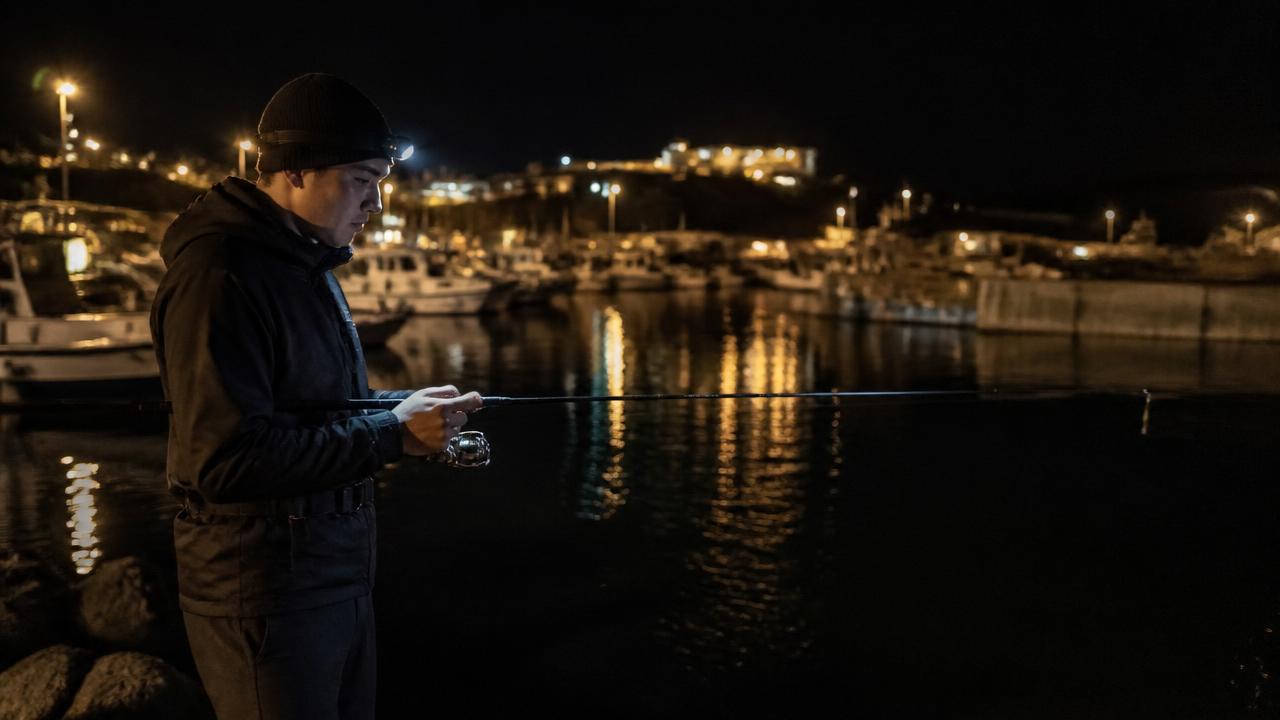
Night fishing changes LRF in Cyprus almost completely. Harbour lights draw in plankton, then fry, then the small predators that feed on them, often concentrating far more activity into a small, well-lit patch of water than you would find during the day. This guide covers how to fish that activity safely and effectively, from lure choice to retrieves, alongside the safety basics that matter whenever you are fishing after dark. It builds on our complete guide to LRF fishing in Cyprus.
Why harbour lights matter after dark
Artificial light over water attracts plankton, which in turn draws small baitfish and fry into the lit area. Predatory fish — small seabass, garfish and various small species that hunt by sight or by detecting movement — follow that food source, often sitting in the shadow line at the edge of the light rather than directly under it.
This creates a very specific, productive zone to target: the boundary between light and shadow, where ambush predators wait for fry drifting or darting between the two. Recognising and fishing that edge, rather than the brightest patch of water, is often the single biggest factor in a successful night session.
Safety essentials for night LRF
Night fishing adds real risk that daytime sessions do not carry, and it is worth treating seriously even on familiar marks. Wet, algae-covered surfaces are far harder to spot in the dark, and a slip near open water at night is a genuinely dangerous situation.
Always fish well-lit, familiar harbour areas at night rather than unfamiliar rock marks, and never fish alone after dark if it can be avoided. Carry a reliable headtorch with spare batteries, wear grippy, closed footwear, and identify your route off the mark before it gets dark so you are not finding your way out over uneven ground by torchlight alone. Keep a phone in a dry pocket and let someone know where you are and when you expect to be back.
Best types of Cyprus marks for night LRF
Marina walls and harbour areas with working lighting are the most reliable and safest night marks, found in and around Limassol, Larnaca, Paphos and Ayia Napa. These areas combine consistent light sources, level and familiar ground, and easy access, all of which matter more after dark than during the day.
Avoid unlit rocky headlands, exposed breakwaters affected by swell, or any mark you have not fished during daylight first. A mark that feels manageable in daylight can feel very different, and considerably riskier, once the sun goes down.
Lure choice for after dark
Silhouette and vibration become more important than exact colour once light levels drop, since fish are relying more on outline against the light and on detecting movement and pressure waves than on fine colour discrimination. Dark-coloured soft plastics and lures that push a bit of water, or pale, high-contrast lures that stand out clearly against the black water beyond the light, both work well.
Small paddletails, soft plastic worms with some action, and small hard lures such as micro poppers or shallow-diving minnows all have a place, depending on whether fish are feeding aggressively on the surface or holding a little deeper in the light edge.
- Dark soft plastics or vibration baits: good silhouette in bright light
- Pale or glow-accented lures: stand out in dimmer light or against dark water
- Small surface lures: for fish visibly feeding on fry near the top
Retrieves that work at night
Slower, more deliberate retrieves generally outperform fast ones after dark, since fish are relying on detecting a target rather than reacting instantly to a fleeing lure. Working a lure gently along the light-shadow edge, with regular pauses, often draws more interest than casting straight into the brightest water.
For surface activity, a slow twitch-pause retrieve that mimics an injured or disoriented baitfish tends to work best; for lures fished a little deeper, a steady, unhurried retrieve with occasional pauses covers the water effectively without moving the lure through the strike zone too quickly.
Species active at Cyprus harbours after dark
Small seabass are among the most commonly targeted species around Cyprus harbour lights at night, often feeding confidently on fry close to the surface. Garfish can also show up under lights, along with a range of the same small resident species caught during the day, which sometimes feed more confidently once the light has dropped and larger predators are less obviously present.
As with all LRF fishing in Cyprus, what turns up on any given night varies with season, water temperature and how much bait the lights are holding, so a flexible approach and a willingness to change lures and retrieves pays off.
Making the most of a night session
Arrive while there is still some daylight to check the ground, plan your position relative to the light and shadow line, and set up your gear before it gets fully dark. Fish quietly and avoid unnecessary torch light over the water, since a bright beam swept across the surface can spook the very fish you are trying to catch. Patience at the light edge, rather than constant repositioning, is usually the more productive approach.
Frequently asked questions
- Is night LRF fishing safe in Cyprus?
- It can be, provided you stick to familiar, well-lit harbour areas, avoid unfamiliar or exposed rock marks, wear grippy footwear, carry a reliable torch, and let someone know your plans. Night fishing carries more risk than daytime sessions, so extra care with footing and access is essential.
- Where exactly should I fish at a harbour at night?
- Focus on the boundary between the lit water and the darker water beyond it, rather than the brightest patch directly under a light. Predatory fish often sit in that shadow edge, ambushing fry that drift or dart between light and dark.
- What colour lures work best for night LRF?
- Dark, solid-silhouette lures show up well against bright light, while pale or light-reflective lures stand out against darker water. Vibration and movement matter as much as exact colour once light levels drop, since fish rely more on detecting motion.
- What species can I catch LRF fishing at night in Cyprus?
- Small seabass and garfish are commonly encountered around harbour lights after dark, along with many of the same small resident species caught during the day, which can sometimes feed more confidently once it is dark.
Recommended gear for this guide
Live picks from the Hobby Mania Cyprus catalogue that suit the setups described above.
Share this guide