Draft — pending fishing-accuracy review. Not listed on the site and not indexed by search engines.
Getting Started
LRF for Beginners in Cyprus
Fishing.com.cy Editorial · 5 min read · Published · Updated
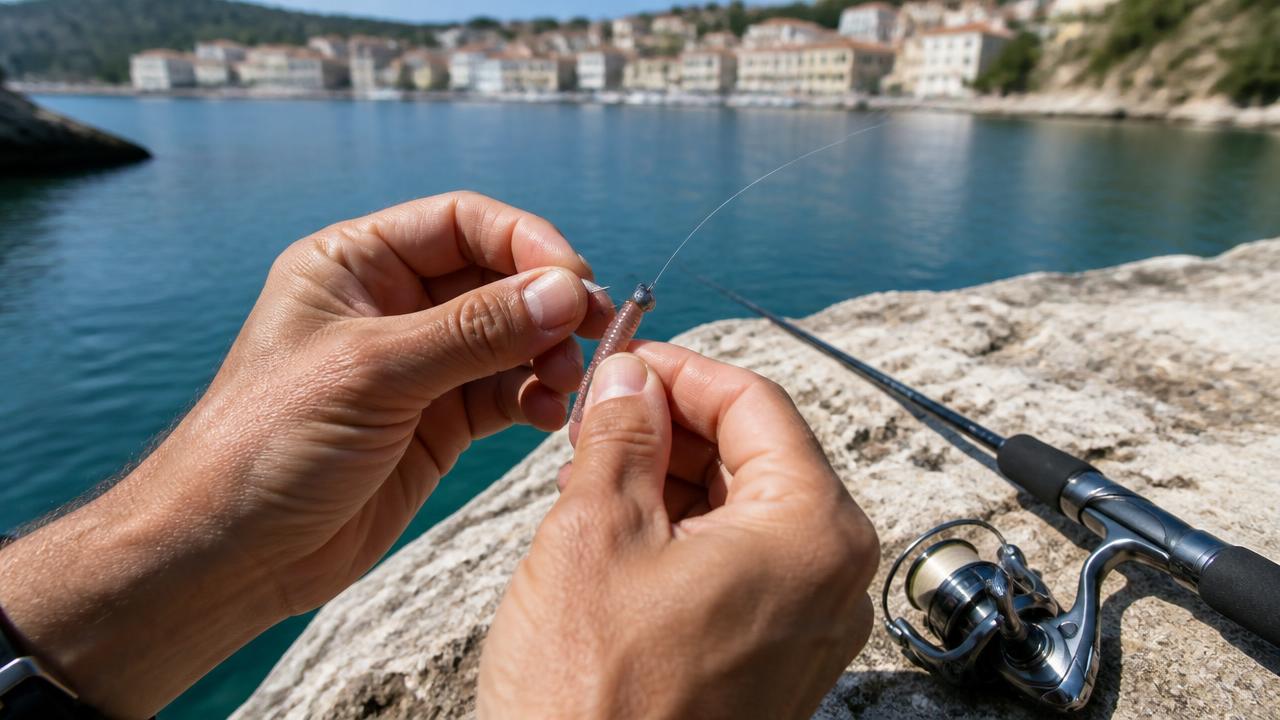
Light rock fishing is one of the most accessible ways to get into lure fishing in Cyprus. It needs little gear, works from safe, easy marks such as harbour walls, and produces steady action from a wide range of small species. This guide takes a genuine beginner through everything needed for a first LRF session in Cyprus — gear, marks, basic rigging, casting and retrieves — building on the overview in our complete guide to LRF fishing in Cyprus.
Why LRF is a good place to start
LRF (light rock fishing) uses small, light lures and fine tackle to target small predatory and inquisitive fish species around rocky marks, harbour walls and marinas. It requires a modest amount of gear, can be fished from very safe, level ground such as a harbour wall, and tends to produce far more action per hour than most other shore styles in Cyprus, since the target species are numerous and often willing to investigate a well-presented small lure.
It is also forgiving to learn: mistakes in casting or retrieve speed rarely cost you a hooked fish outright, and every session tends to teach something about how fish respond to different lures, weights and retrieves.
The basic gear you need
A beginner does not need an extensive kit to start LRF fishing. A single light spinning rod and reel, spooled with light braid and a fluorocarbon leader, plus a small selection of jigheads and soft plastics, is genuinely enough for a productive first season.
- Rod: around 7 feet (2.13 m), rated roughly 0.5–7 g casting weight
- Reel: 1000–2000 size spinning reel
- Line: PE 0.3–0.4 braid with a 4–6 lb fluorocarbon leader
- Lures: a handful of small soft plastics on 0.6–2 g jigheads, plus a couple of micro jigs
- Terminal tackle: spare hooks, a small pair of forceps for unhooking, and a small tackle box
Where to fish as a beginner
Harbour walls and marina areas are the best starting marks in Cyprus. They offer level, safe footing, easy access, and usually a good mix of structure — pontoons, walls, moored boats and rocky rubble — that holds small fish close to the surface and within easy casting range.
Limassol, Larnaca and Paphos all have harbour and marina areas that work well for a first session, as do smaller fishing harbours around Famagusta. Avoid exposed rocky headlands and wave-affected marks until you have some experience; save those for once you understand tides, swell and safe positioning.
Basic rigging
The simplest and most useful LRF rig for a beginner is a plain jighead with a small soft plastic threaded onto it. Choose a jighead weight that lets the lure sink at a natural pace for the depth you are fishing — typically 0.6 to 1 g in shallow, calm harbour water, stepping up to 2–3 g in deeper water or a light breeze.
Tie the leader to the main braid with a simple, reliable knot (an FG knot or a double uni knot both work well), then tie the jighead to the leader with a improved clinch knot or similar. This single, simple set-up covers the large majority of beginner LRF situations without needing to learn more complex rigs early on.
Casting and retrieving
Light lures need a smooth, unhurried casting stroke rather than a hard, fast one — overpowering the cast with such light weights often causes tangles or poor accuracy. Aim for control and placement near likely structure rather than maximum distance, since most LRF fish are caught close to walls, pontoons and rock edges rather than at long range.
For a first retrieve, try a slow figure-of-eight or a gentle lift-and-drop, pausing regularly to let the lure sink and settle. Many beginner bites come on the drop or the pause rather than during active movement, so resisting the urge to retrieve too fast is one of the most useful early lessons.
Reading a bite
LRF bites are often subtle — a light tap, a slight heaviness, or the line simply stopping mid-drop. Because the tackle is so light and sensitive, most bites are easier to feel than to see, so keeping a light grip on the rod and paying attention through the retrieve pays off quickly.
When in doubt, a gentle, controlled strike (rather than a hard sweep) is usually enough to set a small hook, and reduces the risk of pulling the lure away from a fish that is still investigating.
What you can expect to catch
Cyprus LRF marks typically produce ornate wrasse, painted comber, small groupers, damselfish, gobies and blennies, along with occasional small seabream and seabass, especially around harbour lights at dusk. Catch composition varies by mark, season and time of day, so a beginner’s first few sessions are a good opportunity to compare different marks and times to see what each produces.
Safety and etiquette for new anglers
Even on safe harbour walls, basic care matters: wear grippy footwear, be aware of wet or algae-covered surfaces, and keep well back from any edge affected by swell. Always let someone know where you are fishing, especially for evening or early-morning sessions, and avoid fishing alone on more exposed marks until you have built experience.
Respect other harbour users, keep gear tidy and out of walkways, and take any line, packaging or old leader material home with you rather than leaving it on the wall.
A realistic first-session plan
Pick a calm, sunny morning or a warm evening, choose a familiar harbour wall or marina area, and plan for one to two hours rather than a full day. Bring two or three lure colours, a couple of jighead weights, and focus on covering different types of structure (wall edges, pontoon shadows, rocky rubble) rather than staying in one spot the whole time. Treat the session as a chance to learn what works on that mark, and build from there.
Frequently asked questions
- Is LRF a good style for a complete beginner to lure fishing?
- Yes. LRF needs relatively little gear, can be fished from safe, level marks such as harbour walls, and tends to produce frequent bites from a wide range of small species, which makes it an encouraging and low-pressure way to learn lure fishing.
- How much does it cost to start LRF fishing in Cyprus?
- A basic outfit — light rod, small spinning reel, braid, leader and a small selection of jigheads and soft plastics — is a modest outlay compared with most other lure-fishing styles, since none of the individual components need to be expensive to work well.
- Where should a beginner fish LRF in Cyprus?
- Harbour walls and marina areas in places such as Limassol, Larnaca and Paphos are ideal first marks, offering safe footing, easy access and a good mix of structure that holds small fish within easy casting range.
- What is the easiest LRF rig to learn first?
- A simple jighead with a small soft plastic threaded onto it, tied below a fluorocarbon leader, covers most beginner situations and avoids the need to learn more complex rigging before you have banked some experience.
- How do I know if I have had a bite on LRF gear?
- Bites are often subtle — a light tap, a slight extra weight, or the line stopping mid-drop. Keeping a light grip on the rod and staying attentive through the retrieve makes these small signs much easier to notice.
Recommended gear for this guide
Live picks from the Hobby Mania Cyprus catalogue that suit the setups described above.
Share this guide