Draft — pending fishing-accuracy review. Not listed on the site and not indexed by search engines.
Gear & Tackle
Best LRF Rods and Reels for Cyprus
Fishing.com.cy Editorial · 5 min read · Published · Updated
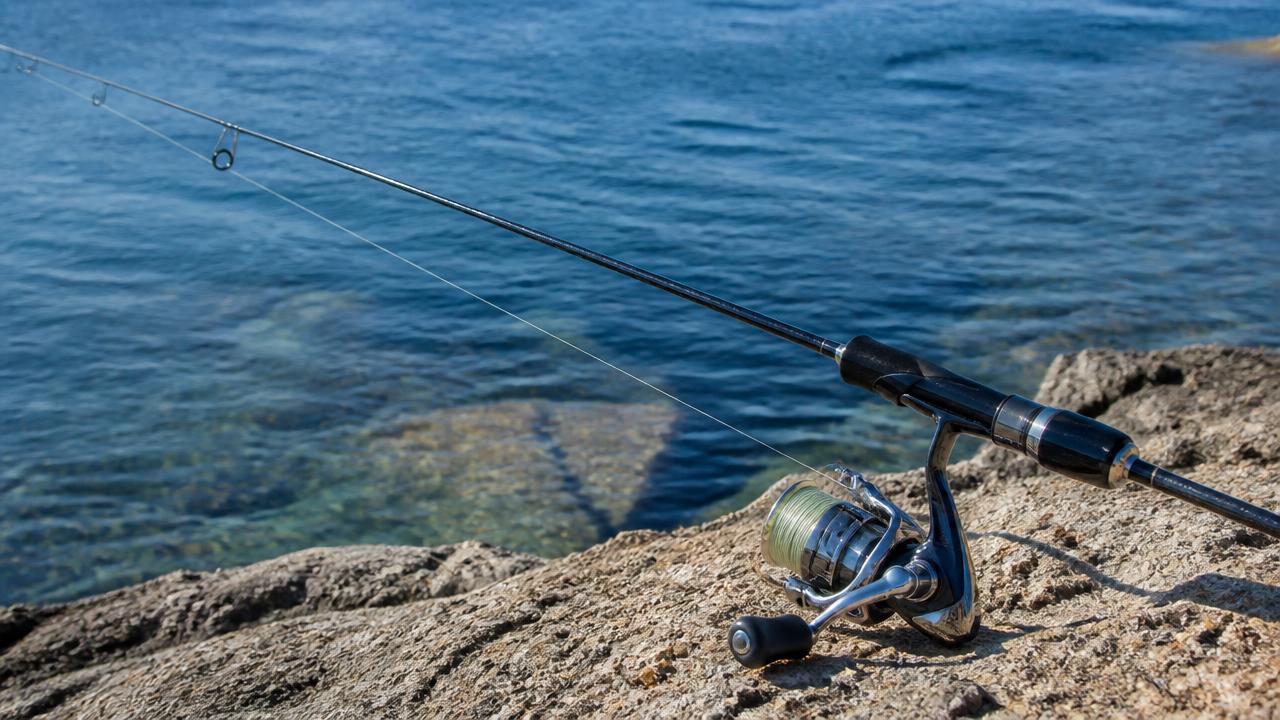
Choosing the right rod and reel makes light rock fishing in Cyprus far more enjoyable and far more effective, since LRF is a game of feeling small takes and casting featherweight lures accurately. This guide covers rod length, casting ratings, power and action, reel sizing, drag and gearing, and how to pair braid with leader for the harbour walls, breakwaters and rocky marks found around the island. For the wider approach to the style, see our complete guide to LRF fishing in Cyprus.
Rod length for Cyprus LRF marks
Most LRF rods sold for this style fall between six feet six inches and eight feet six inches, which in metric terms is roughly 1.98 to 2.60 metres. The right length depends on where you fish more than personal preference alone.
Shorter rods around six feet six to seven feet (about 1.98 to 2.13 metres) suit tight harbour corners, low walls and situations where you are fishing close in and need precise, careful lure control. Longer rods from seven feet six to eight feet six (roughly 2.29 to 2.60 metres) help on breakwaters and rock marks where extra casting distance or the ability to steer a fish around structure and swell matters more.
Casting ratings, power and action
LRF rods are usually rated for casting weights of around 0.5 to 10 g, sometimes split into sub-classes such as ultralight (roughly 0.5–5 g) and light (roughly 3–10 g). Matching the rod’s casting rating to the lures you actually plan to fish is more important than chasing a specific brand or price point — a rod rated well above your lure weights will struggle to load and cast accurately, while one rated too light risks damage on slightly heavier lures or an unexpected fish.
Power (how much resistance the blank offers before bending) and action (how quickly the blank returns to straight, or where along its length it bends) both affect feel and lure control. A softer, more parabolic action absorbs sudden lunges from a hooked fish and forgives light hooklinks, which suits the very fine tackle typical of LRF. A faster, tip-heavy action gives sharper bite detection and better feel with tiny jigheads, useful once you are used to reading light takes.
- 0.5–5 g casting rating: micro jigs and tiny jigheads, calm conditions
- 3–10 g casting rating: slightly heavier soft plastics and small hard lures, or breezier days
- Softer action: more forgiving, suits fine hooklinks and unpredictable fish
- Faster action: sharper feel, better for detecting subtle bites
Reel size and gearing
LRF is almost always fished with small spinning reels in the 500 to 2500 size range, matched to the rod and the line capacity actually needed. A 500–1000 size reel keeps the whole outfit light and balanced for short sessions with fine lines, while a 2000–2500 size adds a touch more line capacity and a sturdier drag for larger species such as seabass or an unexpected bonus fish.
Gear ratio is a matter of retrieve style: a lower ratio (roughly 4.8:1 to 5.2:1) suits slow, deliberate soft-plastic presentations, while a higher ratio (around 6:1 or above) helps when working micro jigs or hard lures quickly, or picking up line fast to keep in touch with a lure worked back towards you.
- 500–1000 reel: lightest outfits, finest lines, closest-range work
- 2000–2500 reel: slightly more capacity and drag range, good all-round LRF size
- Lower gear ratio: slow soft-plastic and worm presentations
- Higher gear ratio: fast jig and hard-lure retrieves
Drag settings
Because LRF tackle is fine, a smooth, lightly set drag matters more than a reel’s maximum drag figure. Setting the drag too tight on light leaders risks pulling hooks or snapping line on a sudden lunge, particularly if a larger seabass or bonus fish takes a small lure. A light, smooth drag setting that yields line before the leader is stressed protects both the tackle and the catch.
Braid and leader pairing
Most LRF anglers in Cyprus fish thin PE braid, typically in the PE 0.2 to PE 0.6 range, for casting distance and sensitivity with featherweight lures. A fluorocarbon leader of roughly 4 to 8 lb (around 0.14 to 0.20 mm) is a common pairing, giving abrasion resistance around rock and mussel-covered structure while staying fine enough not to spook wary fish in clear water.
Leader length is usually kept fairly short, around 30 to 60 cm, tied with a small, reliable knot such as an FG or a simple double uni. Checking the leader regularly for nicks after contact with rock or barnacles is worth building into every session, since this fine leader is usually the weakest link in the whole system.
Putting a balanced outfit together
The most useful approach is to think of rod, reel, braid and leader as one balanced system rather than choosing each part in isolation. A 7-foot (2.13 m) rod rated roughly 0.5–7 g, paired with a 1000–2000 size reel loaded with PE 0.3–0.4 braid and a 6 lb fluorocarbon leader, is a sensible general-purpose Cyprus LRF setup that copes with harbour walls, breakwaters and calmer rock marks alike.
From that starting point, anglers who fish deeper marina walls or windier headlands regularly may add a slightly longer, slightly stiffer second outfit, while those focused on tight harbour work in calm weather may prefer to go a size lighter across the board.
Frequently asked questions
- What length LRF rod is best for Cyprus?
- Something around seven feet (2.13 m) is a versatile starting point, working well on both harbour walls and breakwaters. Shorter rods around six feet six inches (1.98 m) suit tight, close-range harbour corners, while longer rods up to eight feet six inches (2.60 m) help on more open rock marks needing extra casting distance.
- What reel size should I use for LRF in Cyprus?
- A 1000 to 2500 size spinning reel covers most Cyprus LRF situations. Smaller 500–1000 reels keep things ultralight for close-range work, while 2000–2500 sizes add a little more capacity and drag range for bigger bonus fish such as seabass.
- What braid and leader combination works for LRF?
- PE 0.2 to PE 0.6 braid paired with a 4–8 lb fluorocarbon leader around 30–60 cm long is a typical, versatile combination for Cyprus rock marks and harbour walls, balancing casting performance with abrasion resistance.
- Do I need a specialist LRF rod, or will any light spinning rod do?
- A dedicated LRF rod, with its lighter blank and lower casting rating, makes casting tiny lures and feeling subtle bites much easier. A general light spinning rod can work as a starting point, but a purpose-built LRF rod is a worthwhile early upgrade once you know you enjoy the style.
Recommended gear for this guide
Live picks from the Hobby Mania Cyprus catalogue that suit the setups described above.
Share this guide