Techniques
Shore jigging techniques that work on Cyprus rock
Fishing.com.cy · 7 min read · Published · Updated
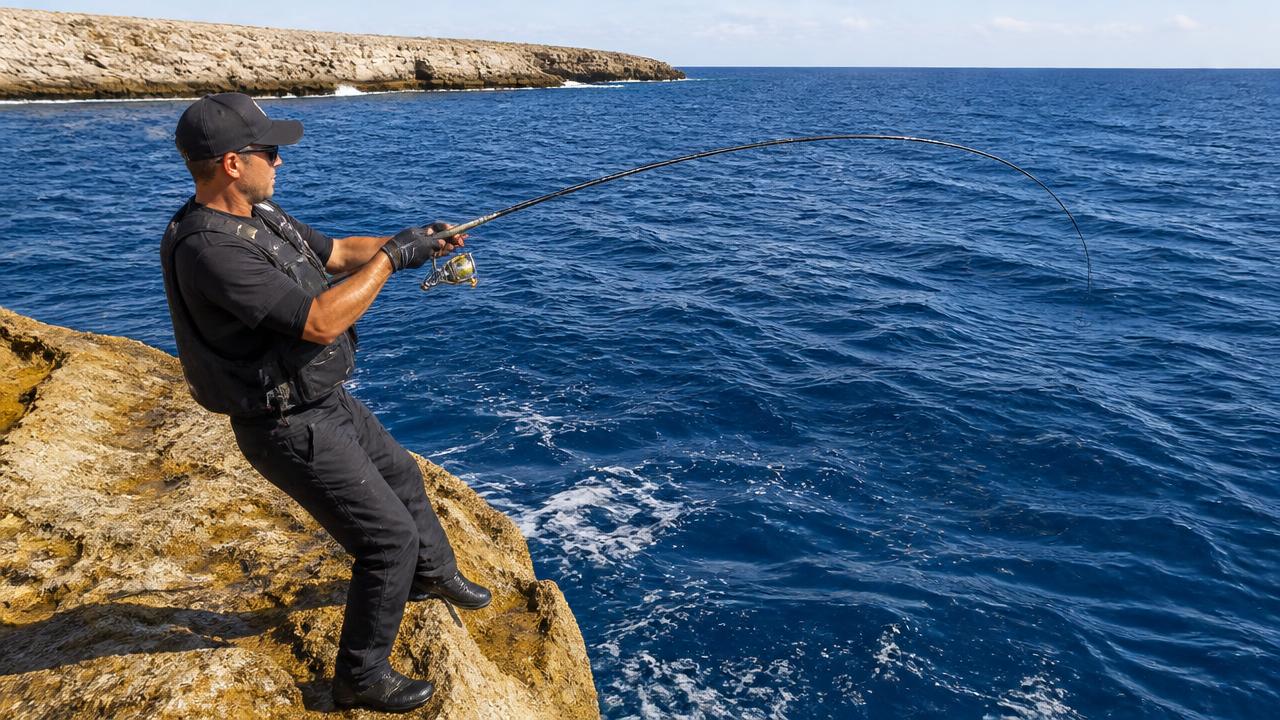
Shore jigging looks simple: cast a metal, wind it back. The difference between anglers who catch consistently and those who don't comes down to a handful of specifics — jig weight for the conditions, a retrieve that suits the target, and rigging that survives the rock.
Pick the jig weight for the water, not the distance
Most anglers over-weight. A 40 g jig covers the majority of Cyprus shore marks; go to 60 g when there is wind in your face or a running current, and drop to 25–30 g in calm, shallow ground.
Shape matters as much as weight. Long, slim jigs sink fast and suit deep water and current. Wider, flatter jigs flutter on the drop and are usually better for barracuda and bonito in the top few metres.
- Calm, shallow, clear: 25–30 g slim or flat jig
- Standard rock mark: 40 g, the default choice
- Wind, swell or current: 60 g slim profile
Three retrieves worth learning
Change retrieve before you change jig. Nine times out of ten, the fish are there and the action is wrong.
- Fast and flat — a straight, quick wind just under the surface. The bonito and barracuda retrieve.
- Long jerk, long pause — sweep the rod, wind the slack, then let the jig flutter down. Amberjack take on the drop.
- Bottom-up staccato — let it hit the bottom, then short sharp lifts back up through the water column. Best when nothing is showing on top.
Rigging that survives the ground
The two biggest causes of lost fish here are leader abrasion and hooks pulling. Both are fixable.
Run 30–40 lb fluorocarbon leader, and make it at least a rod length so the connection knot sits on the spool when you cast — that keeps the abrasion-resistant section between you and the rock throughout the fight.
Assist hooks at the head of the jig hook more fish than a trailing treble on Cyprus ground, and they snag far less. Many anglers run an assist at the front and remove the treble entirely.
- Leader: 30–40 lb fluorocarbon, a rod length or more
- Connection: FG or PR knot — small enough to pass the guides cleanly
- Hooks: single assist at the head, treble optional and often removed
- Drag: set it firm; you are trying to stop fish reaching the rock, not tire them out
Timing and reading the mark
First light is the single most productive hour on almost every Cyprus shore jigging mark, with the last hour before dark a close second. Fishing 11am in July is a way to get sunburnt.
Look for structure and moving water: a point where current bends around, a colour change over a drop-off, birds working, or bait flicking against the rock. Fish those features rather than fan-casting open water.
Safety on the rocks
Wet limestone is genuinely slippery, and swell arrives in sets. Check the forecast, keep back from the edge on a rising sea, wear studded or heavily gripped boots, and fish with someone else whenever you can.
Plan how you will land a fish before you hook one. On high ledges that usually means walking the fish to a lower gully rather than trying to lift it.
Frequently asked questions
- What weight jig is best for shore jigging in Cyprus?
- 40 g is the default for most Cyprus rock marks. Drop to 25–30 g in calm shallow water and go to 60 g when wind, swell or current makes it hard to keep contact with the jig.
- What leader should I use for shore jigging over rock?
- 30–40 lb fluorocarbon, at least a rod length long, connected with an FG or PR knot. Abrasion, not breaking strain, is what loses fish on limestone.
- Do I need assist hooks?
- They are strongly preferred here. A single assist at the head of the jig hooks well, snags far less than a trailing treble, and is easier to unhook safely.
Share this guide