Draft — pending fishing-accuracy review. Not listed on the site and not indexed by search engines.
Freshwater
The Best Dams for Fishing in Cyprus
Fishing.com.cy Editorial · 5 min read · Published · Updated
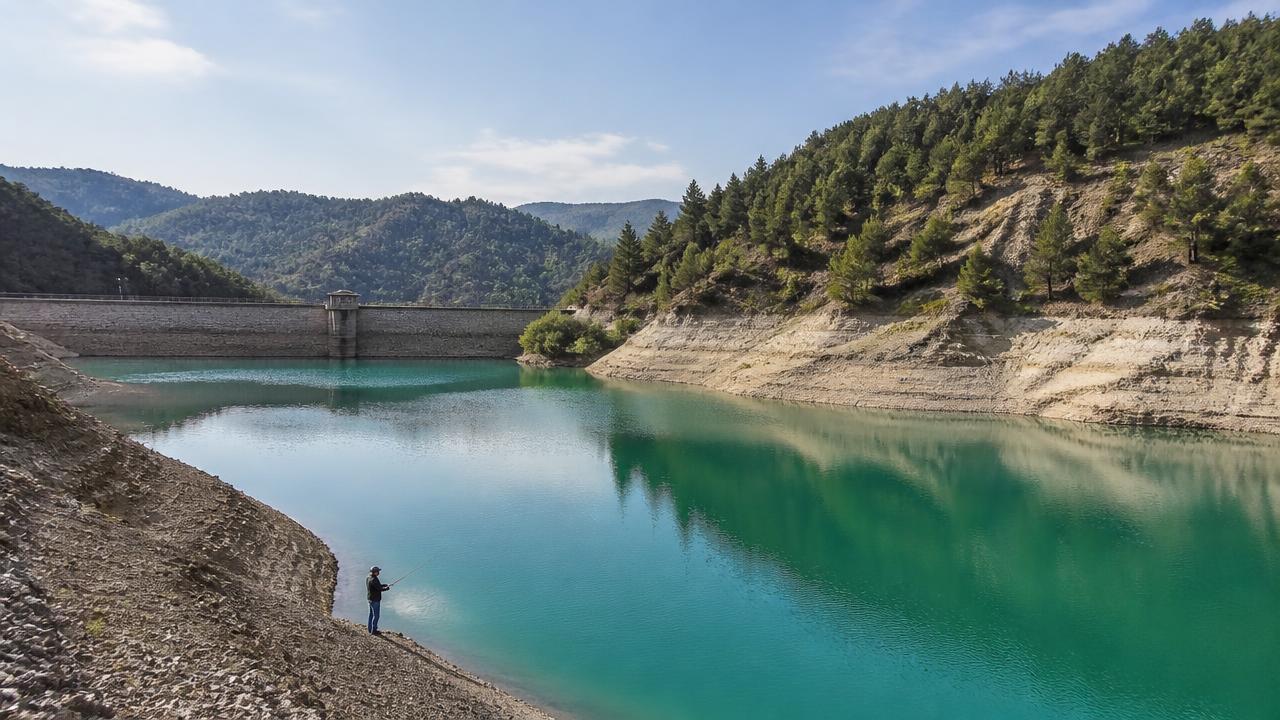
Cyprus has a number of dams spread across the island, from large, deep hillside reservoirs to smaller, shallower lowland ones, and each has its own general character in terms of size, depth and the kind of bank fishing it offers. This overview looks at the island’s best-known dams — Kouris, Asprokremmos, Lefkara, Germasogeia, Polemidia, Dipotamos, Evretou and Arminou — purely in general terms. We’re not going to invent specific facilities, exact access points or catch statistics for any of them; instead, this is a starting point for understanding the kind of water you’ll find at each, so you can plan a first look with realistic expectations.
How Cyprus’s Dams Differ
Before looking at individual reservoirs, it helps to understand the broad differences between them. Cyprus dams range from the largest reservoir on the island, holding a significant body of deep water, down to much smaller, shallower dams that behave more like large ponds. Depth, water clarity, surrounding terrain and how far the water level can retreat between winter and summer all vary considerably.
Because water levels move so much across the year on every one of these reservoirs, treat anything below as a description of general character rather than a fixed, current snapshot — always check conditions closer to your visit.
Kouris Dam
Kouris is the largest reservoir on the island, sitting in the hills north of Limassol. Its scale means it holds a genuinely large volume of water and a long, varied shoreline, with areas of open water as well as narrower arms feeding in from the surrounding valleys. Depth varies significantly across the reservoir, and being the biggest dam, it tends to show the most dramatic visual difference in water level and shoreline between a wet winter and a dry summer.
Its size makes it a venue where scouting matters — a long shoreline gives plenty of options, but also means committing to walking and assessing a stretch of bank before settling in, rather than expecting one obvious spot.
Asprokremmos Dam
Asprokremmos, in the Paphos district, is another of the island’s larger reservoirs, again with a substantial and variable shoreline as levels shift through the year. Like Kouris, its size means depth and structure vary widely from one stretch of bank to another, and the terrain around it is generally open, hilly countryside.
Lefkara Dam
Lefkara Dam sits near the village of the same name and is a smaller, more contained reservoir than Kouris or Asprokremmos. Its more modest size generally means a shorter shoreline to work through and a more intimate feel, though as with all these waters, actual depth and water coverage on any given day depends entirely on recent rainfall and the season.
Germasogeia Dam
Germasogeia Dam lies inland from Limassol and is a mid-sized reservoir set among hillside terrain. It has a reasonably contained shoreline compared to the largest dams on the island, which can make it a more manageable venue to get to know across a handful of visits.
Polemidia Dam
Polemidia is a smaller reservoir closer to the Limassol suburbs than most of the other dams on this list, which can make it a convenient option for anglers based in the city. Being smaller, it behaves more like a large pond in character, with less dramatic scale but still subject to the same seasonal water-level swings as the bigger reservoirs.
Dipotamos Dam
Dipotamos, in the Paphos district, is a smaller reservoir set in fairly remote, rural surroundings. Its more modest size and quieter setting are worth bearing in mind for planning purposes — remote locations mean it’s particularly worth telling someone your plans and checking access and conditions before heading out.
Evretou Dam
Evretou Dam, also in the Paphos region, is a mid-sized reservoir with hillside surroundings typical of many of the island’s dams. As with the others, expect its shoreline and depth profile at the margins to shift noticeably between the wet and dry parts of the year.
Arminou Dam
Arminou sits in the hills of the Paphos district and is another of the smaller-to-mid-sized reservoirs on the island, set in quiet, rural, hillside terrain. Its more contained size can make it a good option for an angler wanting to explore a whole shoreline in a single visit rather than committing to just one section of a much larger dam.
Choosing Which Dam to Fish
None of the above should be read as a ranking — the “best” dam for a given trip depends on what you’re after: a big reservoir to explore over a full day, a smaller, quieter water to learn quickly, or simply whichever is most convenient to where you’re staying. Bank access, condition and any current restrictions can all vary by dam and by time of year, so treat a first visit to any of them as reconnaissance rather than assuming you know the water in advance.
Whichever dam you choose, the fundamentals from our complete guide to dam fishing in Cyprus apply across the board: read water levels and structure on the day, fish the low-light hours where possible, and match your approach to the season.
Verify Access and Rules Before You Go
As with all freshwater fishing on the island, access arrangements and any permit requirements for these dams are set by the relevant authorities and are subject to change. We have deliberately avoided stating specific access points, facilities or restrictions for any of the reservoirs above, because these details can and do change and we’d rather send you to the correct source than risk giving outdated information.
Before visiting any Cyprus dam, confirm current requirements with the Department of Fisheries and Marine Research and the Water Development Department, or the locally relevant authority for that reservoir.
Frequently asked questions
- Which is the biggest dam in Cyprus for fishing?
- Kouris Dam, in the hills north of Limassol, is the largest reservoir on the island, with a long and varied shoreline. Its scale means depth and conditions vary a great deal from one stretch of bank to another.
- Are all Cyprus dams open to anglers?
- Access rules vary and are set by the relevant authorities, and can change over time. Always verify current access and any permit requirements for a specific dam with the Department of Fisheries and Marine Research or the Water Development Department before planning a trip.
- Which Cyprus dam is best for beginners?
- Smaller, more contained reservoirs such as Polemidia, Lefkara or Arminou can be easier to learn quickly since there’s less shoreline to cover, though the right choice also depends on convenience and current access rules.
- Do Cyprus dams look the same all year round?
- No — water levels rise through winter rainfall and fall through the dry season, sometimes dramatically. Shoreline, depth near the bank and visible structure can all look very different between a visit in spring and one in late summer.
Recommended gear for this guide
Live picks from the Hobby Mania Cyprus catalogue that suit the setups described above.
Share this guide