Draft — pending fishing-accuracy review. Not listed on the site and not indexed by search engines.
Fishing Spots
Fishing in Famagusta: A Complete Shore Angler's Guide
Fishing.com.cy Editorial · 7 min read · Published · Updated
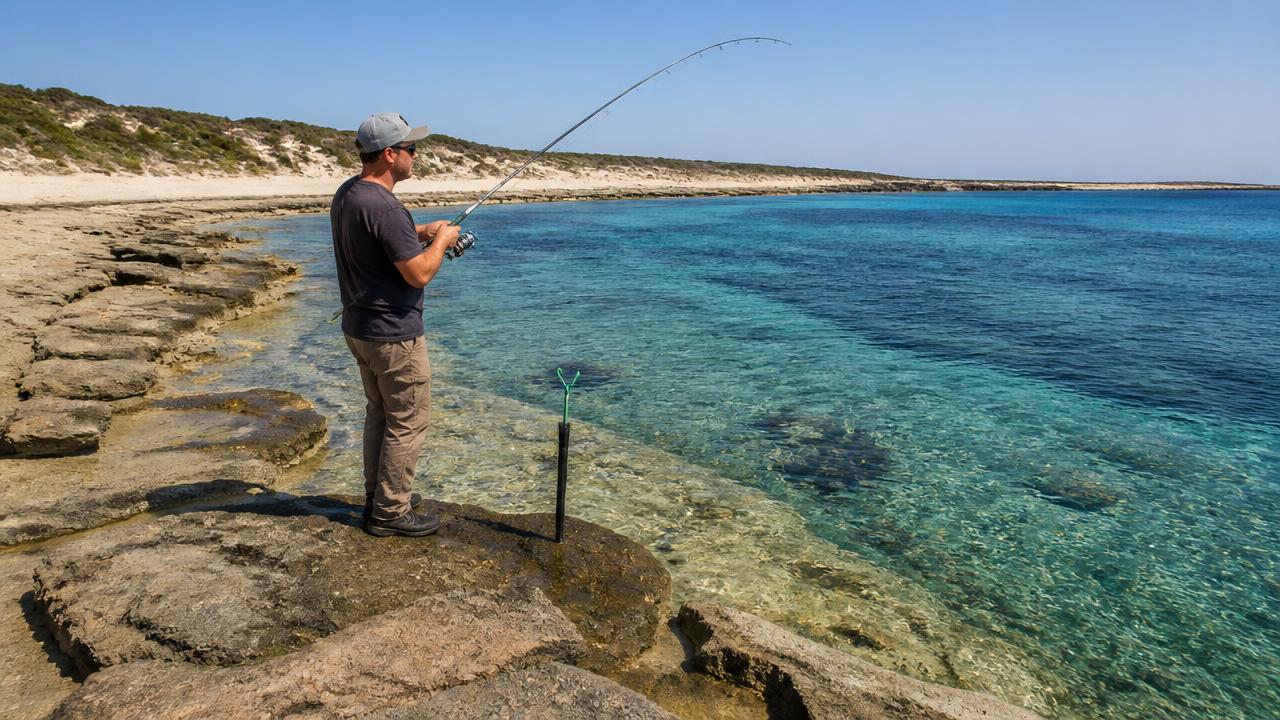
Fishing in Famagusta means fishing one of the most varied stretches of coastline on the island, running from the sandy bays around Ayia Napa, through the honeycombed limestone headlands of Protaras, and up towards the district's quieter northern shore. Within a short drive an angler can fish sheltered harbour walls for garfish and ornate wrasse, work rocky platforms with LRF gear for blennies and small groupers, or step up to shore jigging tackle for amberjack over deeper reefs. This guide walks through the environment, the techniques that suit it, the species you can realistically expect, and the access and safety points worth knowing before you go.
Overview of the Famagusta coastline
The Famagusta district covers a long and varied run of coast, from the built-up resort shoreline of Ayia Napa and Protaras to quieter agricultural and rocky ground further north and along the Karpas direction. For shore anglers this variety is the appeal: sandy swimming bays sit within a few hundred metres of jagged limestone platforms, and small harbours dot the coast at regular intervals.
Protaras and Ayia Napa in particular are known for clear water and visible structure close to the surface, which suits sight-fishing with light lures as much as it does more traditional bottom fishing. Because so much of the coast is limestone rather than sand, there is no shortage of structure for fish to hold around, but it also means many marks reward careful footwork and a look at the swell before committing to a session.
Environment and ground types
Three broad ground types dominate the district. First, low flat limestone platforms found along much of the Protaras coast, often pitted with small pools and channels that hold LRF species at low light. Second, small purpose-built or natural harbours, breakwaters and marina walls around Ayia Napa and the fishing shelters dotted along the coast, which offer easier, safer access and often surprisingly good fishing right off the wall. Third, deeper rocky points and small headlands where the seabed drops away more quickly, the kind of ground that suits shore jigging.
Sand is present too, mostly in the tourist bays, and while it is not the primary draw for lure anglers it can produce for light bait fishing and for LRF species that move over sand at night to feed.
Shore fishing techniques for the area
General shore fishing in Famagusta covers a spread of approaches rather than one dominant style. Light spinning with small metal lures or soft plastics off the harbour walls is productive for garfish, small pelagics and opportunistic predators, particularly in the early morning and evening. Simple running-leger bait rigs fished off harbour walls or sandy stretches account for bream, small groupers and the occasional surprise, and require little more than a light-medium spinning or light bait rod.
For anglers wanting more structured technique-specific approaches, LRF and shore jigging are both well suited to different parts of this coast and are covered as full guides in their own right.
LRF around Famagusta
The clear, structure-rich water around Protaras and Ayia Napa is well suited to light rock fishing. Small jigheads paired with micro soft plastics, worked slowly around rocks, weed lines and harbour wall bases, draw bites from wrasse, small groupers, blennies and opportunistic juvenile predators. For the full local breakdown of marks, tides and light conditions see the dedicated guide to LRF fishing in Famagusta.
Shore jigging around Famagusta
Where the ground drops away more quickly off rocky points, shore jigging with metal jigs in the 20 to 60 gram range on suitable PE-rated tackle can reach amberjack, leerfish and other predators holding over deeper reef. This needs more specific tackle and technique than general lure fishing, and the dedicated shore jigging Famagusta guide covers jig weight selection, retrieve style and the marks that suit it.
Species you can expect
Species vary with ground type and season. Rocky platforms and harbour walls produce ornate wrasse, peacock wrasse, small groupers, damselfish and blennies for LRF tactics, plus garfish and needlefish feeding near the surface. Sandy stretches near Ayia Napa can produce sole, small bream and the odd flatfish on bait, particularly after dark.
Deeper rocky points hold the chance of amberjack, leerfish (also called garfish's larger cousin the leerfish, or lucar), and occasionally bluefish moving through on bait shoals. Pelagic visitors such as small tuna species or mahi mahi are a genuine but rare possibility from certain deep-water marks in late summer and autumn; they are highly condition-dependent and should never be treated as a reliable target from shore, only as a welcome bonus when conditions and timing align.
Tackle recommendations
A sensible approach is to carry two set-ups if fishing a mixed session: a light spinning rod in the 2 to 7 gram or 5 to 21 gram class with a small fixed-spool reel and light fluorocarbon leader for LRF work, and a stronger spinning or shore jigging rod rated for jigs up to 40 to 60 grams with braided mainline and a heavier fluorocarbon leader for deeper marks and bigger species.
Simple bait tackle — a light-medium bait rod, small fixed-spool reel, and a basic running leger rig with size 4 to 8 hooks — covers harbour walls and sandy stretches well and is a low-cost way to start.
- LRF: 2–7g or 5–21g rod, 500–1000 size reel, 0.2–0.4 PE braid, 4–8lb fluorocarbon leader
- Shore jigging: rod rated 20–60g, 2500–4000 size reel, PE2–PE3 braid, 20–30lb fluorocarbon leader
- General bait: light-medium bait rod, running leger rig, size 4–8 hooks, small lead to suit current
Sea and weather conditions
The Famagusta coast is generally more sheltered than the exposed south-west of the island, but conditions still change quickly with wind direction. Onshore winds from the east or south-east can push swell onto the more exposed headlands around Protaras, making some rocky marks unsafe and coloured. Calmer mornings with light offshore or along-shore breezes tend to give the clearest water and best sight-fishing conditions for LRF.
Always check a local marine forecast before heading to any of the more exposed rocky points, and be prepared to switch to a sheltered harbour mark if the swell is up.
Seasonality
Spring and autumn are the most comfortable and productive seasons across the district, with milder water temperatures bringing wrasse, bream and small predators within casting range of the shore. Summer fishing is best done early morning or late evening to avoid both the heat and the crowds around the resort beaches, and is the most likely window for any pelagic activity along deeper marks. Winter fishing continues but is more weather-dependent, with settled spells producing good sport from sheltered harbour walls.
Access
Much of the coast around Ayia Napa and Protaras is easily accessible with car parking near the shore and short, straightforward walks to the water. Harbour and marina walls are generally the easiest and safest points of access. Rockier platforms further from the main resort areas may require a longer walk over uneven ground, and some stretches have limited or informal parking, so allow extra time and wear appropriate footwear for the terrain.
Safety notes
Even on a generally sheltered coastline, rocky platforms can be hazardous in swell, and limestone becomes very slippery when wet. Keep a clear eye on the sea state, particularly on headlands exposed to the east, and never turn your back on the water for long periods when fishing close to the edge. Wear grippy, closed footwear rather than sandals, and let someone know where you are fishing and when you expect to be back, especially at dawn, dusk or night sessions when fewer people are around.
Etiquette
Respect other beach users in the busy resort areas around Ayia Napa and Protaras, particularly in summer, and avoid casting near swimmers. Take all line, packaging and bait remains away with you, and be considerate of other anglers already fishing a mark by giving them reasonable space before setting up nearby.
Frequently asked questions
- Is Famagusta a good area for beginner shore anglers?
- Yes. The harbour walls and sandy bays around Ayia Napa and Protaras are accessible, generally sheltered, and produce a steady mix of small species on simple light tackle, making them a good starting point before moving on to more technical rocky marks.
- Can you catch amberjack from the shore in Famagusta?
- Amberjack are a realistic target from deeper rocky points using shore jigging tackle, but they are not guaranteed and depend on season, ground and timing. See the dedicated shore jigging Famagusta guide for tackle and technique specific to this target.
- What is the best time of year to fish Protaras and Ayia Napa?
- Spring and autumn generally offer the most comfortable conditions and most consistent sport across species. Summer fishing is best at dawn or dusk to avoid heat and crowds, while winter fishing depends heavily on settled weather windows.
- Do I need a licence to fish in Famagusta?
- Rules can change, so always check current requirements with the Department of Fisheries and Marine Research before fishing, rather than relying on general guides for licence details.
- Is LRF or shore jigging better suited to Famagusta?
- Both work well but on different ground: LRF suits the shallow, structure-rich limestone platforms and harbour walls, while shore jigging suits the deeper rocky points where the seabed drops away more quickly.
Recommended gear for this guide
Live picks from the Hobby Mania Cyprus catalogue that suit the setups described above.
Share this guide