Draft — pending fishing-accuracy review. Not listed on the site and not indexed by search engines.
Getting Started
Spinning on Cyprus Dams: A Beginner's Guide
Fishing.com.cy Editorial · 5 min read · Published · Updated
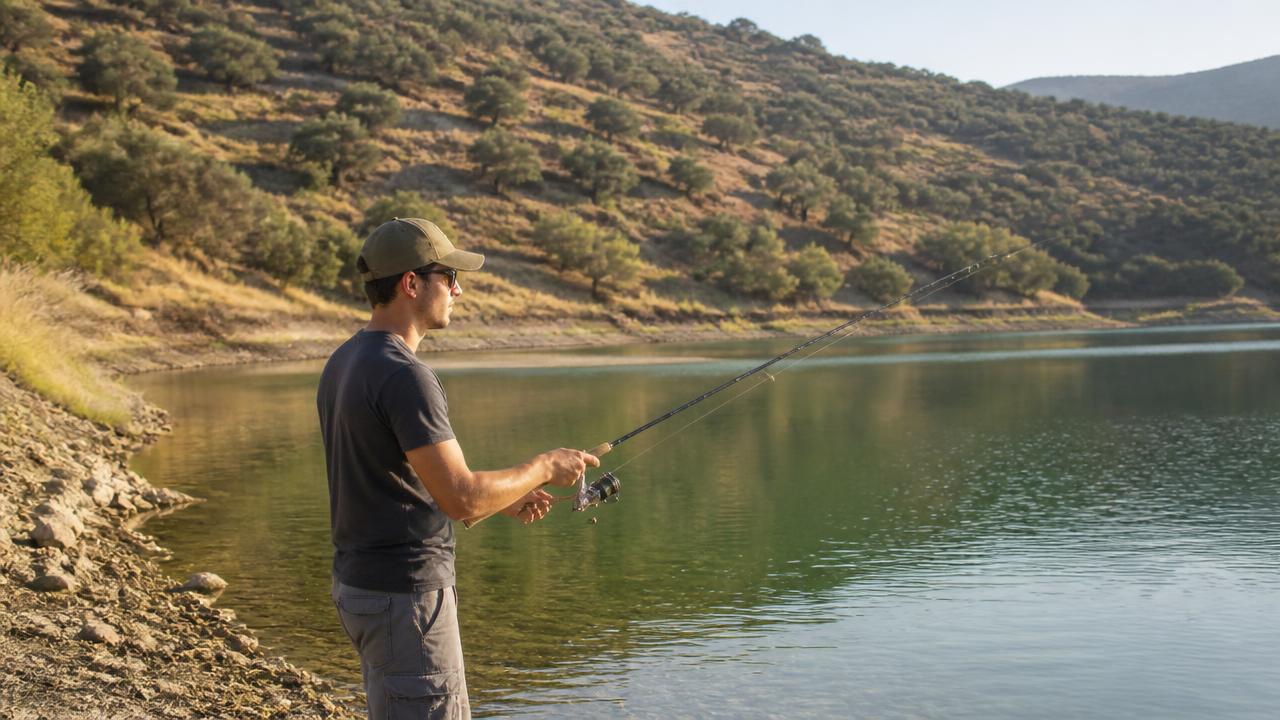
Spinning on a Cyprus dam is one of the most approachable ways to get into lure fishing on the island, needing far less kit than shore jigging or surfcasting and offering forgiving, sheltered water to learn on. This guide is written for someone who has never picked up a spinning rod, walking through gear, knots, reading the bank, first lures, retrieves and the safety points that matter most on Cyprus's often steep drawdown banks. Before you go, always check current access and any permit or licence requirements with the Water Development Department and Department of Fisheries and Marine Research, since rules around individual dams do change.
Why Cyprus dams suit a first-time lure angler
Compared with rock marks and open beaches, a dam bank is calmer, has no swell or current to fight, and lets you fish comfortably at your own pace. It is also a good place to make casting mistakes without losing gear in surf or snagging on rough sea ground, though snags on submerged trees and rock still happen and are part of the learning curve.
Basic gear for a first trip
You do not need much to start. A single, reasonably priced spinning combo will cover the vast majority of situations a beginner meets on a Cyprus dam.
- Spinning rod: around 2.1–2.4m, light to medium power, rated roughly 5–20g casting weight
- Reel: a 2000–2500 size spinning reel loaded with 6–10lb braid or 8–12lb monofilament
- Leader: a metre or so of fluorocarbon, roughly 8–14lb, tied on with a simple knot
- A small box of soft plastics on light jigheads, plus one or two simple hard lures
Knots worth learning first
You only need two or three knots to get going, and it is worth practising them at home before your first trip rather than fumbling with them lakeside.
- A uni knot or improved clinch knot to tie the leader to hook, jighead or lure
- A double uni knot or FG knot to join braided mainline to a fluorocarbon leader
- A simple loop knot for lures that benefit from freer movement, such as minnows
Reading a reservoir bank
Unlike the sea, a dam gives you visual clues you can actually read from the bank if you take a few minutes before casting. Look for changes rather than fishing blind along a featureless stretch.
- Points and headlands where the bank juts into the water often hold fish patrolling past
- Flooded trees, bushes or old fence lines give bass and other predators cover to ambush from
- Colour changes between clear and slightly stained water can mark where feeder streams enter
- A steeper drop close to the bank, visible as a sudden colour change from pale shallow to darker deep water, is worth working carefully with a searching lure
- Wind-blown banks push baitfish and warmer surface water together and are often more productive than the sheltered side
First lures and simple retrieves
Keep your first sessions simple. A weightless or lightly weighted soft plastic worm and a small shallow-diving hard lure will teach you most of what you need about depth, speed and feel.
Soft plastic worm
Cast out, let it sink on a slack line while watching for the line twitching or moving sideways, which usually means a take on the drop. If nothing happens, retrieve in slow lifts and pauses rather than a steady wind, since a dam fish is rarely in a hurry to chase.
Shallow hard lure
A straightforward steady retrieve just fast enough to feel the lure wobbling is enough to start. Once comfortable, add occasional pauses or a stop-start rhythm, which often provokes more strikes than a constant speed.
Safety on steep drawdown banks
Cyprus dam levels fall through the summer, exposing banks of dried, cracked clay and mud that can be surprisingly steep, loose and slippery, especially near the waterline where mud stays damp. This is genuinely one of the main hazards of dam fishing on the island and deserves real caution rather than an afterthought.
- Wear proper grip footwear, not sandals or smooth-soled trainers
- Avoid fishing right at the water's edge on drawdown banks; find a firmer, less steep spot back from the exposed mud
- Never fish alone on remote stretches if you can help it, and tell someone your plan and expected return time
- Keep a clear route back up the bank in mind before you commit to a swim spot
- Take care around any old flooded structures, fencing or debris exposed by low water
Checking current access and permit rules
Requirements for fishing Cyprus dams, including any permit, closed season or access restriction, are set and changed by the relevant authorities and are not something to guess at from an old forum post. Before any trip, confirm current rules directly with the Water Development Department and the Department of Fisheries and Marine Research, and treat any information here as a starting point for your own checks rather than a substitute for them.
Frequently asked questions
- Do I need a licence or permit to fish Cyprus dams?
- Requirements can apply and do change, so always confirm current rules with the Water Development Department and Department of Fisheries and Marine Research before fishing any Cyprus dam. Do not rely on older articles or word of mouth for this.
- What is the easiest first lure for a beginner on a Cyprus dam?
- A soft plastic worm on a light jighead is a forgiving starting point. Cast it out, let it sink on a slightly slack line, and retrieve in slow lifts and pauses. It is difficult to fish badly and will teach you a great deal about how fish react to a falling and paused bait.
- Is spinning on a Cyprus dam safe for a complete beginner?
- Generally yes, since there is no surf or current to contend with, but drawdown banks can be steep, loose and slippery, especially in summer. Wear proper footwear, avoid the very edge of exposed mud banks, and ideally do not fish remote stretches entirely alone.
- What rod and reel should a beginner buy for Cyprus dam spinning?
- A light to medium spinning rod around 2.1 to 2.4 metres paired with a 2000 to 2500 size reel covers almost everything a beginner needs. Load it with light braid or monofilament and add a short fluorocarbon leader to start.
- What time of day is best for a first dam spinning session?
- Early morning and the last couple of hours before dark are usually most productive and most pleasant, with cooler air, calmer water and fish more willing to feed in the shallows. Midday in summer heat tends to be slower and less comfortable for a first attempt.
Recommended gear for this guide
Live picks from the Hobby Mania Cyprus catalogue that suit the setups described above.
Share this guide