Draft — pending fishing-accuracy review. Not listed on the site and not indexed by search engines.
Techniques
How to Catch Amberjack from Shore in Cyprus
Fishing.com.cy Editorial · 5 min read · Published · Updated
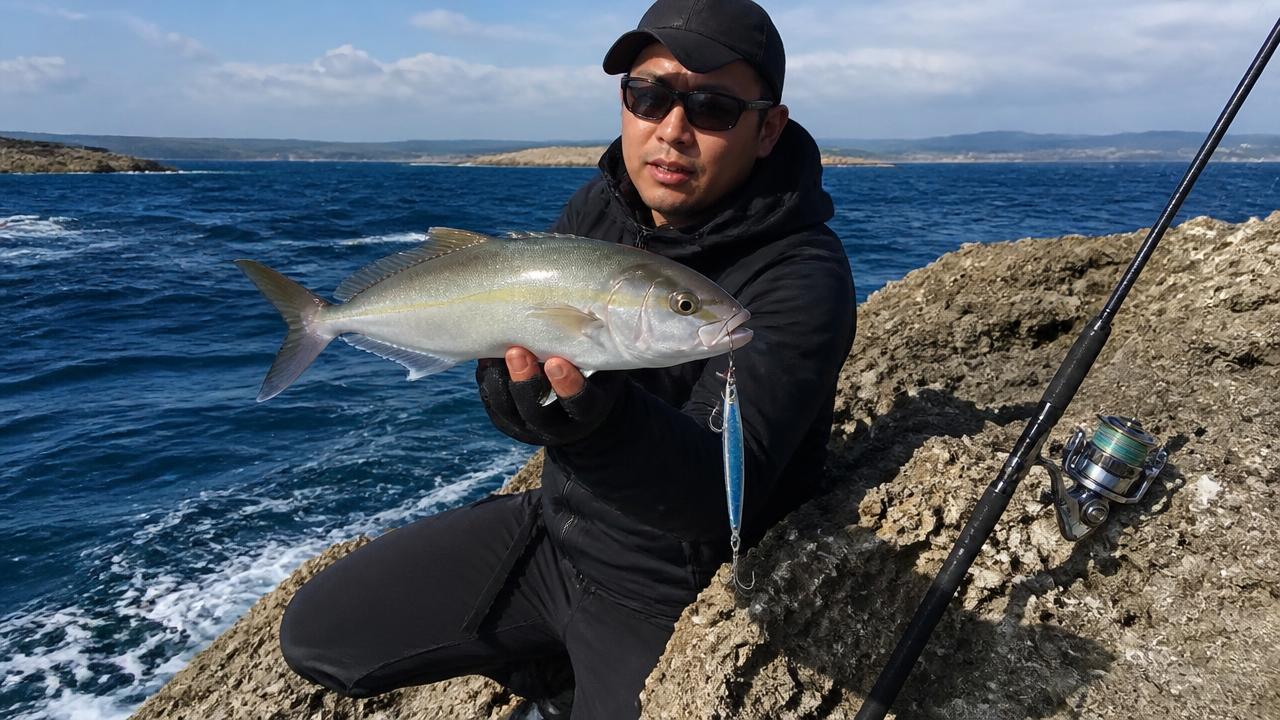
Amberjack are the most realistic serious target for shore jigging anglers in Cyprus — powerful, reef-loving fish that will test tackle and technique hard once hooked. This guide sets out a realistic picture of when and where to expect them, the tackle upgrades worth making over generic shore jigging gear, sensible drag settings, and how to actually win the fight once one takes.
A realistic picture of shore amberjack in Cyprus
Amberjack are present around Cyprus and are caught from the shore, but they should be treated as a genuine but not guaranteed target rather than a certainty on any given trip. They favour deep water close to structure — exactly the ground described in our shore jigging spots guide — and tend to hold near rock, reef and drop-offs rather than roaming open sand.
Persistence on the right ground matters more than any single piece of tackle. Anglers who consistently fish the deepest, most current-affected marks at the best times of day and year see amberjack far more often than those who fish occasionally or on the wrong ground.
Season and timing
Shore amberjack activity in Cyprus generally follows the same warmer-months pattern as shore jigging overall, picking up from late spring and continuing through summer into autumn as water temperatures and baitfish activity increase. Early morning and dusk tend to be the most productive windows, particularly once summer heat sets in and fish move to feed during cooler light.
Current matters as much as time of day — a period of noticeable water movement, whether from wind, tide or general drift, tends to trigger more activity than a dead-still sea.
Up-rating tackle for reef and amberjack
Amberjack are known for diving hard for structure the instant they feel hooked, so tackle needs headroom over what might suffice for smaller shore jigging species. A rod with genuine lifting power in the mid and butt sections, not just a fast tip, is important — you need to be able to apply real pressure early in the fight, not just cast well.
Reels should be a size up from the minimum for general shore jigging, with a smooth, powerful drag and enough line capacity to survive a long first run without being spooled. PE4 to PE5 braid is a sensible range when amberjack over reef are the specific target, balancing strength against the current and casting demands of the mark. Leader breaking strain should be increased accordingly, with fresh leader material and re-tied knots each session given how much abrasion a fish diving for rock can put through it.
Assist hooks matched to jig weight, checked for sharpness and secure attachment before every session, are worth particular attention — a hook that fails under the sustained pressure of an amberjack fight is a common and avoidable way to lose a good fish.
Drag settings
Drag needs to be set firmly enough to turn a fish's first dive for structure before it reaches the rocks, but not so tight that it risks pulling hooks or overloading the leader on the initial strike. A practical approach is to set the drag by feel with the rod loaded, pulling line off by hand, aiming for a setting that lets line release under sustained pressure rather than locking solid.
Because the whole point of amberjack fishing over reef is stopping the fish before it reaches cover, many anglers fish a firmer drag for amberjack than they would for open-water species of similar size, accepting the greater risk to leader and hook in exchange for a much better chance of preventing a rock cut-off in the first place.
Fighting the fish from the rocks
The first few seconds after the hook goes in are usually decisive. Amberjack instinctively dive for the nearest structure, and a shore angler's job is to apply maximum safe pressure immediately, using the rod's lifting power rather than reel drag alone, to try to turn the fish's head up and away from the bottom before it gets a wrap around rock.
Keep the rod tip high and use your whole body position, not just your arms, to apply pressure, and try to work the fish along the contour of the rock rather than straight up if the ground allows it, since a fish lifted vertically from deep water alongside a sheer face can still find a snag on the way up. Stay alert to your own footing throughout the fight — a hard-fighting fish is exactly the moment when anglers forget where their feet are on wet rock.
Landing an amberjack from the shore, if there is no beach or accessible gully nearby, may mean lifting a heavy fish clear of the water on the leader rather than netting or beaching it, so leader strength and knot quality matter right through to the very end of the fight, not just during the initial run.
Safety while targeting amberjack
Amberjack marks are, by their nature, the same deep-water rock and reef ground covered elsewhere in this series, and the same safety rules apply without exception — never fish alone, check the swell before you go, wear proper grippy footwear, and identify an escape route before you start. A hard, prolonged fight can also mean being drawn towards the water's edge without realising it as you follow a powerful fish, so keep a conscious check on your footing throughout, not just before you start fishing.
Frequently asked questions
- What size tackle do I need for shore amberjack in Cyprus?
- A shore jigging rod with real lifting power, a large saltwater reel with a strong smooth drag, PE4–PE5 braid and a heavy fluorocarbon leader are sensible starting points, up-rated from generic shore jigging gear given how hard amberjack pull for structure.
- What drag setting should I use for amberjack?
- Firm enough to turn the fish's first dive for structure before it reaches rock, set by feel with the rod loaded rather than a fixed number, accepting a somewhat higher risk to leader and hooks in exchange for stopping a rock cut-off.
- When is the best time to target amberjack from the shore in Cyprus?
- Late spring through autumn is generally most productive, with early morning and dusk the best windows, and periods of noticeable water movement or current tending to trigger more activity than dead-calm conditions.
- How do you land an amberjack from a rock mark with no beach access?
- Often by lifting the fish clear of the water on a strong leader once it is beaten, rather than netting or beaching it, which is why leader strength and knot quality need to hold right through to the end of the fight, not just the first run.
- Are amberjack guaranteed if I fish the right spot in Cyprus?
- No. They are a realistic target on the right deep-water, structure-rich ground, particularly in season, but far from guaranteed on any single trip. Consistency in fishing the right ground and conditions matters more than any one visit.
Recommended gear for this guide
Live picks from the Hobby Mania Cyprus catalogue that suit the setups described above.
Share this guide