Draft — pending fishing-accuracy review. Not listed on the site and not indexed by search engines.
Gear & Tackle
Choosing PE Braid for Cyprus Shore Jigging
Fishing.com.cy Editorial · 4 min read · Published · Updated
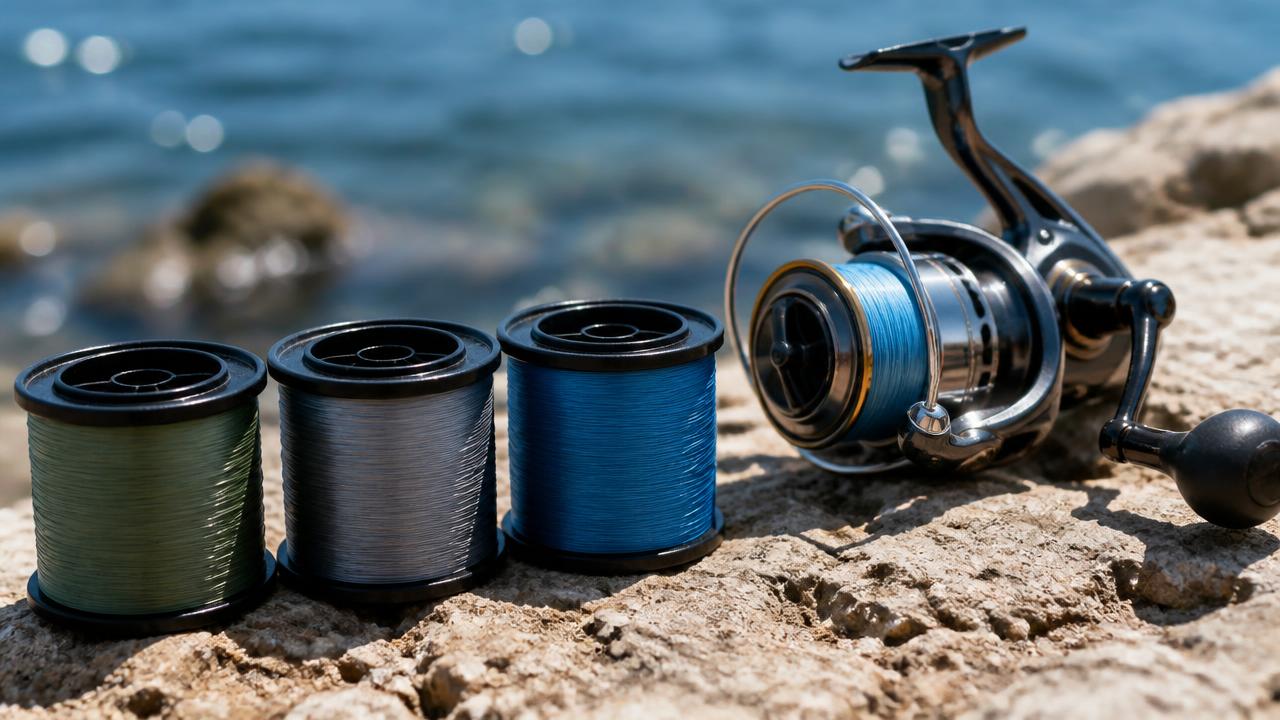
PE braid sizing is one of the most-asked questions among Cyprus shore jigging anglers, and the honest answer is that PE2, PE3 and PE4 all have a place — the right choice depends on the mark, the jig weight, the target species and how much you value casting distance over abrasion resistance. This guide sets out the trade-offs plainly so you can pick sensibly rather than just copying someone else's line.
What PE rating actually tells you
PE rating is a Japanese line diameter standard that has become the common way anglers describe braid thickness for jigging, independent of breaking strain claims which vary by brand and construction. As a rough guide, PE2 sits around 30–35lb class, PE3 around 40–50lb class, and PE4 around 50–60lb class, though exact figures vary between manufacturers, so always check the specific line's actual diameter and rating rather than assuming these numbers are universal.
Thinner braid of the same strength rating from a well-made line will generally cast further and cut through wind and current better, which is why PE rating (diameter) matters as much as raw breaking strain when comparing lines.
PE2: casting distance at the cost of margin
PE2 is the thinnest of the three and will cast a given jig weight noticeably further than PE3 or PE4, simply because there is less line diameter creating drag through the guides and against the air. It suits lighter jigging setups, smaller species, and marks where reaching distant fish matters more than grinding power.
The trade-off is reduced abrasion resistance and a lower ceiling on how hard you can lean on a big fish before the braid gives way, which makes PE2 a less confident choice over the roughest, most structure-heavy Cyprus rock marks or when amberjack or tuna are a realistic possibility.
PE3: the general-purpose middle ground
PE3 is where most Cyprus shore jigging anglers settle for general-purpose work. It keeps casting distance reasonably strong while adding a meaningful step up in both raw strength and abrasion resistance over PE2, making it a sensible default for mixed sessions where you might encounter anything from smaller predators to a decent amberjack.
If you are only going to own one spool of shore jigging braid and fish a range of Cyprus marks and jig weights, PE3 is the size most experienced anglers would recommend as the safest all-round choice.
PE4: built for power and rough ground
PE4 sacrifices some casting distance for a genuine step up in strength and abrasion resistance, which matters most on marks with sharp limestone edges, kelp or weed close in, and when targeting the biggest amberjack or chasing any tuna or pelagic possibility where sustained, heavy pressure against a hard-fighting fish is likely.
The extra diameter also means more resistance in wind, which can be a real disadvantage on breezy Cyprus days when distance matters, so PE4 suits deep, structure-heavy marks and serious target species more than it suits maximising casting range in calm conditions.
Matching leader strength to braid size
Leader choice should track your braid size and target species rather than being picked independently. As a rough starting point, PE2 pairs well with 30–40lb fluorocarbon leader, PE3 with 40–60lb, and PE4 with 60–80lb, though wind, water clarity and target species can all justify moving up or down from these ranges.
A leader that is too light compared to your braid strength undermines the whole point of stepping up braid size, while an oversized leader on light braid can look unnatural in clear Cyprus water and reduce casting distance for no real strength benefit given the braid is the limiting factor.
Choosing for your actual marks
Rather than picking a single PE size and sticking with it forever, many serious Cyprus shore jiggers keep two spools ready — a lighter PE2 or PE3 setup for calmer days and lighter jigs, and a PE4 setup for the roughest marks or when a big amberjack or pelagic is a realistic target. If you can only justify one, PE3 remains the sensible general-purpose choice for most Cyprus shore jigging.
Frequently asked questions
- What PE braid size is best for shore jigging in Cyprus?
- PE3 is the most sensible general-purpose choice for most Cyprus marks, balancing casting distance, strength and abrasion resistance. PE2 suits lighter, calmer sessions; PE4 suits rough ground or big amberjack and pelagics.
- Does thicker braid really reduce casting distance that much?
- Yes, noticeably. Thicker braid creates more drag through the guides and air resistance, so PE4 will generally cast a given jig weight less far than PE2 of similar quality, especially in wind.
- What leader strength should I pair with PE3 braid?
- A 40–60lb fluorocarbon leader is a sensible pairing for PE3, adjusted up for rougher ground or bigger target species and down for very clear water or lighter presentations.
- Should I upgrade to PE4 if I want to target amberjack or tuna?
- PE4 is a sensible step up for the biggest amberjack, rough structure-heavy marks, or any realistic tuna encounter, where sustained strength and abrasion resistance matter more than maximum casting distance.
Recommended gear for this guide
Live picks from the Hobby Mania Cyprus catalogue that suit the setups described above.
Share this guide