Draft — pending fishing-accuracy review. Not listed on the site and not indexed by search engines.
Techniques
Slow vs Fast Retrieves for Cyprus Shore Jigging
Fishing.com.cy Editorial · 4 min read · Published · Updated
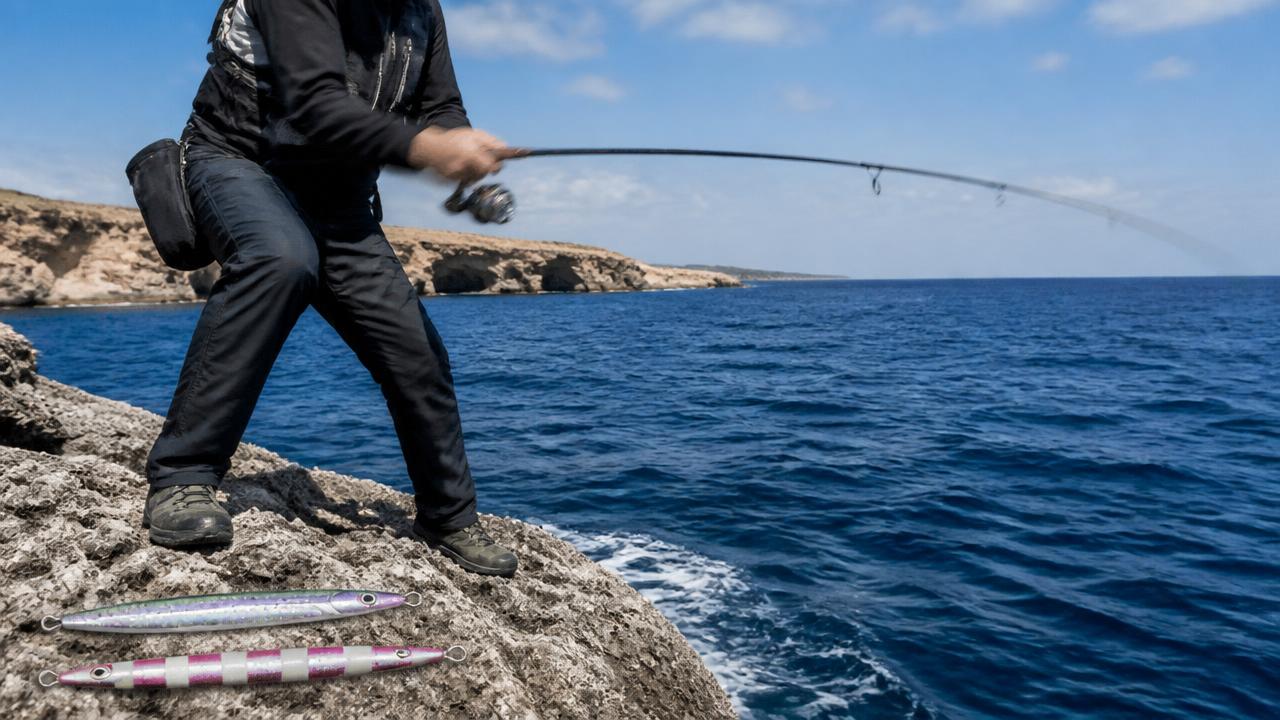
Retrieve speed is one of the biggest variables a shore jigger controls directly, and getting it wrong on a given day can mean the difference between a bent rod and a blank session. Neither slow nor fast is universally correct — each suits different conditions, moods of fish, and target species, and the best anglers switch between them deliberately rather than sticking to one style out of habit.
What defines a fast retrieve
A fast shore jigging retrieve typically means rapid, high rod-tip sweeps combined with quick reel cranks, keeping the jig moving erratically through the water with little pause. The idea is to trigger a reaction strike from a fish that does not have time to inspect the lure closely — speed and flash do the work rather than a convincing, lifelike action.
This style tends to suit aggressive, fast-swimming predators that hunt by chasing down prey, and it covers water quickly, which is useful when searching a large area of a mark to find where fish are holding.
What defines a slow retrieve
A slow retrieve uses longer pauses, gentler rod sweeps and a more deliberate cadence, often letting the jig flutter and fall on a semi-slack line between movements rather than staying in constant fast motion. This gives fish a longer look and relies more on a natural, wounded-baitfish action than on outright speed to trigger interest.
It suits calmer days, clearer water where fish can see and evaluate a lure properly, and situations where fish appear to be following a jig without committing — often a sign the retrieve is too fast or too aggressive for their current mood.
Rod work for each style
Fast jigging typically uses short, sharp, repeated rod-tip sweeps of perhaps 30–60cm, timed with reel cranks so the jig darts forward continuously with minimal pause between movements. It is physically demanding to sustain over a long session, so pacing yourself matters if you plan to fish it for hours.
Slow jigging uses longer, smoother sweeps followed by a deliberate pause, allowing the jig to flutter down on a controlled semi-slack line before the next sweep. Watching your line during the pause is important, since many strikes on a slow retrieve come as the jig falls rather than during the active sweep.
How species respond
Amberjack often respond well to a fast, aggressive retrieve that mimics fleeing bait fish, particularly when they are actively feeding, though a change to a slower fall can sometimes convert a following fish that will not commit to constant fast movement. Leerfish and similar fast-hunting predators also generally favour speed and erratic action.
Species that feed more by ambush or ground-hugging behaviour, along with cautious fish in clear, calm water, often respond better to the more deliberate pauses and natural fall of a slower retrieve, which gives them time to track and commit to the lure without being outpaced by it.
Conditions that favour each approach
Rougher water, stronger current and lower light (dawn, dusk or overcast) tend to favour faster retrieves, partly because fish are often more actively feeding in these conditions and partly because a fast retrieve is easier to keep effective when current is already adding movement and disturbance to the water.
Calm, clear, bright conditions, or days when fish seem to be following without striking, are the classic signal to slow down, lengthen your pauses and let the jig's natural fall do more of the work.
- Fast retrieve: active feeding, low light, current, searching for fish over a large area
- Slow retrieve: calm bright water, cautious or following fish, working a known holding spot thoroughly
- Switch styles mid-session if one is not producing follows or strikes within a reasonable time
Reading the response and adjusting
The most useful skill in shore jigging is not mastering one retrieve style but reading how fish are responding on a given day and adjusting accordingly. A follow without a strike on a fast retrieve is often solved by slowing down and adding a pause; a lack of any interest at all on a slow retrieve is often solved by speeding up and covering more water to find active fish.
For the broader picture on marks, tackle and target species that make Cyprus shore jigging work as a whole, our complete guide ties all of these individual techniques together.
Frequently asked questions
- Should I jig fast or slow for amberjack in Cyprus?
- Amberjack often respond well to a fast, aggressive retrieve, especially when actively feeding, but a slower fall can convert fish that are following without committing. Try both and adjust based on how fish respond.
- When should I slow down my shore jigging retrieve?
- Slow down in calm, clear, bright conditions, or when you notice fish following your jig without striking. A longer pause and slower fall often gives cautious fish enough time to commit.
- Is fast jigging more tiring than slow jigging?
- Yes, generally. Fast retrieves involve near-continuous rod sweeps and reel cranks, which is more physically demanding to sustain over a long session compared to the more measured pace of slow jigging.
- Do I need different jigs for slow vs fast retrieves?
- Not strictly, but slim, fast-sinking jigs generally suit fast retrieves better, while wider, fluttering jigs tend to shine on slower retrieves where their natural falling action can work properly.
Recommended gear for this guide
Live picks from the Hobby Mania Cyprus catalogue that suit the setups described above.
Share this guide